World Blows: Badu & The Alchemist Turn a Release Date Into a Lie


 See more Architeg Prints stories on Google.
World Blows: Badu & The Alchemist Turn a Release Date Into a Lie
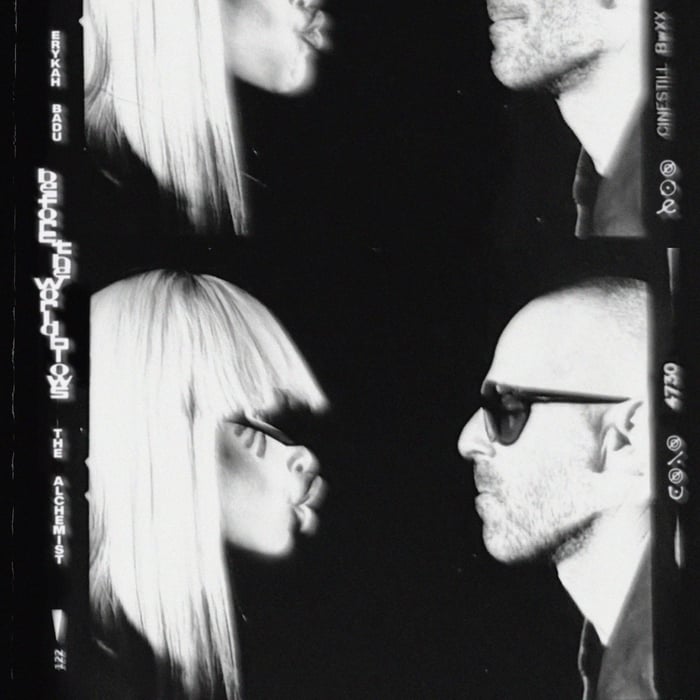
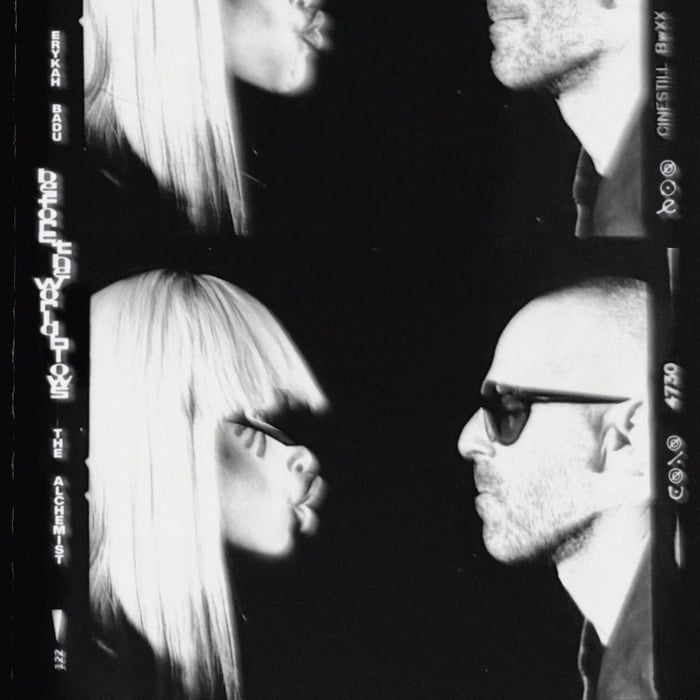
Before the World Blows isn’t just an album rollout—it’s a public IOU challenging belief in calendars and expectations in music releases.
The hook: this album starts as a scheduling problem, not a love song
I didn’t hit play expecting paperwork to be part of the sound. But Before the World Blows opens like the aftermath of a missed appointment—except the appointment was with the entire internet.
And yeah, I’m calling it: the “release date” drama isn’t trivia around the record. It’s the first theme, and the album keeps rubbing your face in it until you admit you’re addicted to announcements.
The rollout that got eaten alive by its own rumor
Here’s what happened, as it landed in my ears and stuck in my head: on August 28, 2025—one day before the scheduled release—Erykah Badu went on Instagram Live from bed and told the sleep-deprived faithful that the album wouldn’t be hitting streaming services the next day. The caption pinned it on The Alchemist, playful but pointed.
The project had been floating around with the name Abi & Alan—Badu’s middle name paired with the producer’s first name—slated for August 29. The date had been circulating hard all summer, which mattered because this wasn’t just “new music.” Badu hadn’t dropped a full-length since 2010’s New Amerykah, Pt. 2: Return of the Ankh, unless you count the 2015 mixtape But You Caint Use My Phone keeping the shelves stocked.
The Alchemist, after initially taking the blame for a day, flipped it. On X, he posted: “This is not from me. Show me where i ever posted this lol.” When somebody waved the circulating press release in his face—release date and all—he basically shrugged and said it wasn’t his.
A reasonable listener could say this is just messy promo. I don’t buy that. This feels like two veterans watching how fast misinformation becomes “fact,” then letting it happen anyway, like an experiment they refuse to stop mid-burn.
Why a fake deadline becomes a real debt
Here’s the ugly truth the album keeps implying: once a date gets repeated enough, it stops belonging to the artist. It belongs to everyone repeating it, screenshotting it, “holding you accountable” in public like they’re the record label’s CFO.
By late September, the story had spilled into bigger music chatter—headlines pointing out that August 29 came and went without a record. That’s the modern ritual: the crowd builds a deadline shrine, then acts betrayed when the shrine doesn’t pay rent.
I’m not even fully sure who I’m supposed to be mad at in that situation—the artist, the publicists, the outlets, the fans, myself for refreshing apps like a lab rat. The uncertainty is part of the point. The record makes “missing release date” feel less like a mistake and more like a mirror.
From “we don’t have a title” to doomsday branding
With no new date for nearly a year, the promise grew its own paper trail. Then late in the summer of the next year, the album finally appeared on streaming platforms… with a temporary title that basically admitted defeat: Sorry, we don’t have an album title yet …
That’s not a cute placeholder. That’s a tell. It’s the sound of a rollout admitting it’s being dragged by forces bigger than anybody’s intention—distribution systems, expectation cycles, the whole content treadmill.
Later that summer, Abi & Alan fell away, and the real name surfaced: Before the World Blows. Not the cozy “two first names” intimacy—more like a deadline for civilization. The title change alone argues with you: you wanted a tidy couple’s-collab moment; you’re getting an hour that thinks the clock is a weapon.
Even the single got re-coded. “Next to You” from the earlier, aborted rollout disappeared and returned as “Next 2 U.” Same idea, new signage—like the song got reissued with a new timestamp.
“Next 2 U” sounds like a crush with a curfew
“Next 2 U” plays like a three-minute loop of desire that can’t relax. Over Mobb Deep’s “The Realest” instrumental, Badu turns small habits—blunts, walks, wants—into a schedule. The line “I can’t think without you” isn’t tossed off; it’s stitched into the track like a mantra you repeat until it stops sounding romantic and starts sounding like a dependency.
And the detail that makes it sting: the crush runs on a timetable. Meet after school. Break rules when the bell rings. It’s not freedom; it’s an appointment pretending to be fate.
If you think that’s too dramatic, fine. But the album keeps making this arguable claim: modern love isn’t passion versus restraint—it’s passion managed by calendars, apps, and the low-grade anxiety of being late.
“Echos” spends seven minutes dragging time itself
The first seven minutes of the hour are basically “Echos,” and it’s where the album pins the whole calendar war to the wall before letting you near the romance.
The hook draws a line in the sand:
If we can’t even agree on a God, at least agree on the snare and kick—“Red, yellow, black, white, or brown.”
That’s Badu flattening the argument down to rhythm, basically saying: you can’t agree on metaphysics, but you can agree on a beat hitting your body. A reasonable person could call that naïve. I hear it as practical—borderline ruthless.
She sketches everybody equally trapped: same system, same matrix, “Feed us medicine and bullshit/We walk around like zombies.” Then she pivots into that familiar Badu past-tense gloating—“To all my haters that said that the chains wouldn’t bust.”
The part that hit me hardest is how she starts counting ancestors by first name—“Odessa, Rebecca, Viola/Vera, Dorothy, Marylyn”—and then snaps back into motion with “You can’t stop us, Devil/Oh, my train is on schedule.” It doubles as a spiritual flex and a petty response to the year of date-related frustration. She’s basically telling the internet: you can fight me, but you can’t delay me.
“Witch Doctor” calls media the real occult
Soon after, the album goes from “we’re zombies” to “here’s the spellbook.” “Witch Doctor” was the only single released before the album, and it frames the devil’s teasing as something much more boring and more dangerous: media.
Over a dark beat, she’s introduced in Spanish as una doctora de brujas—a doctor of witches. The chorus spells out the logic like it’s teaching a class:
- a witch is a medium
- “medium” sounds like “media”
- and you eat what they feed you
- so yeah, that’s witchcraft
It’s blunt, almost too on-the-nose… and honestly, that’s my mild criticism. The wordplay is so clean it risks feeling like a slogan. But the album earns it because the rollout itself already proved the thesis: a disputed press release date got believed hard enough that millions of listeners treated a random Friday like law.
The bridge parades famous witches—Tabitha, Samantha, Elphaba, Stevie Nicks—then dismisses them one by one until only the doctor remains. That’s not fan service; it’s a power move. The song doesn’t want you thinking witches are Halloween costumes. It wants you thinking your feed is a cauldron.
The Alchemist keeps the music grimy, and the percussion never blinks
By the time I got deeper into the hour, what surprised me wasn’t that the production is “good.” It’s that it’s committed to being shadowy without turning foggy.
The Alchemist’s work here stays dark, gritty, soulful, experimental, and psychedelic. And DJ Quik is on percussion across the record, start to finish, giving it a physical backbone—like the whole album is tapping its foot impatiently in a waiting room.
Badu and The Alchemist had been visible together without being informative: touring, sitting down on Drink Champs. Lots of proximity, very few answers. That’s either discipline or trolling, and I’m leaning toward trolling—with purpose.
“Abracadabra” is a magician bit that doubles as a warning
“Abracadabra” is a brief interlude cut with Jay Electronica, and it starts like a wake-up call delivered at your grave. Not metaphorically—literally like somebody is trying to rouse you where you’re not supposed to wake.
Then comes magician language and fire in the sky, and it ends on two questions:
“Are you watching closely? Can you feel the dawn approaching?”
That’s the detail I can’t shake: the same guy who told the internet he saw the August date online first is here dressed like a stage magician, asking if you’re paying attention. If you think this is random, I think you’re missing the album’s smirk. It’s telling you the trick is expectation.
The love songs treat waiting like a business model
After the sermonizing, the record slides into relationships, and this is where Badu’s long-standing impatience with other people’s time really shows. She can wait—sure. But it’s not free.
The love songs price out devotion in drinks, smoke, and years of company. And on album scale, that sixteen-year gap between full-lengths hangs in the air like the same smoke. The album isn’t apologizing for the wait. It’s invoicing you.
In “Crossfade,” she orders a boilermaker, a gentle lover, and a troublemaker at the bar like she’s building a chaos sampler platter. She calls herself a slow burn, then halfway through flips into third-person confession: she gave him back the ring because it “ain’t enough,” she wants “love’s changes,” and if she can’t be herself she’ll “settle for the pain.” That’s not romance; that’s someone choosing the devil they can predict.
“They Ain’t You” says it cleaner: “My patience was long with you.” Then it detonates into the densest run of language on the whole project—flowers stacked high enough for a florist, smoke thick enough for a forest—mutating through extremes (richest to poorest, peace to war), even flipping astrological poles (Pisces to Taurus). It’s a flex, but it’s also exhaustion dressed up as poetry.
A listener could argue she’s over-writing here. I’d argue the opposite: she’s showing what happens when you let patience rot into inventory.
Steve Lacy shows up where the clock actually wins
Steve Lacy gets what might be the hardest assignment on the hour: play the boy in the only storyline where time isn’t a metaphor—it’s a judge.
“To the Moon (Plan C)” starts with Badu in a familiar teenage hiding spot—behind the arcade—talking rides home, first date rules, don’t stay out too late. Then the line lands and changes the temperature:
“Now I think my period’s late.”
Lacy responds like someone trying to be two people at once: half hoping she’d run away, half making peace with a new life because “babies on the way” don’t care about your vibe. He even admits they drove too fast, which is such a small line that carries a stupid amount of consequence.
On first listen, I thought this would turn into melodrama. On second listen, it’s stranger than that: it’s calm. Badu closes the two-part piece with the simplest, steadiest lines she gives anyone here—“Life comes at you fast/And it’s always gonna be like that.” No incense, no riddle, no cosmic punishment. Just arithmetic.
And I’ll say the arguable part out loud: this is the most adult moment on the record, and it has nothing to do with spirituality. It’s just cause and effect.
“Black Box” ends the hour like a recovered object from a crash
After debts, babies, and bargaining, the album ends with something that feels like cargo—an object that traveled through disaster.
“Black Box” brings in Kamasi Washington’s saxophone (only once on the album), and Badu drops what feel like the heaviest lines of the whole hour. The “black box” gets revised again and again: a phone, a trap, crack rocks, something “coded and COVID-sponsored,” a flight recorder that went down with the plane but couldn’t be found.
Line by line, she audits the chemistry of the entire hour: dopamine as meanness in a man’s blood, dimethyltryptamine for dreaming. The black box becomes faceless. A dark place. A thief at night. And suddenly all that online noise about missing a Friday looks different—it looks like cargo sealed in a container, still traveling even after the flight is over.
Her exit is airier than you expect. She asks to be released from the glass in her hand, and Khadija and Harriet ride out in a golden chariot above the Dipper. It’s theatrical, sure. But it doesn’t feel like escapism. It feels like the album trying to float above the wreckage long enough to name what fell.
And if you want my blunt interpretation: the record isn’t terrified the world will blow. It’s annoyed you’re acting like your phone isn’t already doing the job.
Conclusion: the date was the first spell
Before the World Blows turns a botched (or baited) rollout into part of the text. It argues that belief is easier to manufacture than truth, that love is often a payment plan, and that media literacy might be the only real exorcism left—whether we like it or not.
Our verdict: People who like their soul and rap-adjacent projects with grime under the nails—and who enjoy being lightly scolded by a beat—will actually love *World Blows*. Anyone who just wanted a clean, comforting “Badu returns” moment will get irritated fast, like they showed up for a candlelit dinner and got handed a flight recorder.
FAQ
- Is “World Blows” more about the rollout drama or the music itself?
The music keeps pointing back to the drama—dates, belief, media—so the rollout feels like part of the album’s argument, not a separate accident. - Which track sets the album’s tone first?
“Echos.” It spends a long opening stretch turning disagreement, ancestry, and rhythm into the record’s opening thesis. - What’s the clearest “media is the devil” moment?
“Witch Doctor,” especially the chorus logic linking “medium” to “media” and calling the consumption itself a spell. - Does the album actually do romance, or just sermons?
It does romance, but it prices romance. Songs like “Crossfade” and “They Ain’t You” treat waiting like a bill that comes due. - Where’s the emotional climax near the end?
“Black Box.” The shifting metaphor (phone/trap/flight recorder) and the single Kamasi Washington sax appearance make it feel like the final artifact pulled from the crash.
If this album’s imagery is stuck in your head, a poster of your favorite album cover can be a surprisingly nice way to keep the mood on the wall instead of in your notifications. If you feel like it, you can shop prints at https://www.architeg-prints.com.
 | DISCOUNTGET 30% OFF*Use code on your next order:
|
* This post may contain affiliate links, meaning we earn a commission if you make a purchase through these links, at no additional cost to you.