ROPE BURN Review: JIREH Makes “Just Doing My Job” Sound Dangerous


 See more Architeg Prints stories on Google.
ROPE BURN Review: JIREH Makes “Just Doing My Job” Sound Dangerous
ROPE BURN isn’t chasing virality—it’s chasing wages, privacy, and the right to breathe. JIREH raps like clocking in, not begging in.
This album doesn’t ask for your attention—it invoices it
Some rap albums want your fandom. ROPE BURN wants your distance. It plays like JIREH is building a case file, then sliding it across the table without smiling—like, read it if you want, but don’t expect him to soften it for you.
And that’s the first real tell: the record’s biggest flex isn’t charisma. It’s refusal. A reasonable listener could argue that’s a weird thing to praise in music—aren’t artists supposed to want us?—but the vibe here is that wanting the crowd too much is how you get owned by it.
The “no dancing for the camera” stance is the thesis, not a quote
Before ROPE BURN even gets into its heavier material, it’s already allergic to performance-as-pleading. JIREH’s whole posture is: work is work, and I’m not doing extra circus tricks so some invisible supervisor can approve my timecard.
“Gotta like give people the opportunity to hear your [work]… You ain’t gotta do no crazy shit like getting on TikTok and start dancing on camera every day… I’m not dancing in front of a camera ever.” — JIREH
That’s not just a funny line; it’s a creative decision. You can hear it in how he delivers verses like he’s stating policy, not trying to charm you into agreement. Some people will call that “monotone” or “too grounded.” I think it’s intentional: he’s removing the usual escape hatch where the audience can go, “Well, it’s just entertainment.”
The record treats “work” like a trap with good lighting
The album keeps circling a blunt reality: the same hustle reads differently depending on who’s looking. Ambition in one place, menace in another. ROPE BURN doesn’t explain this like a textbook—it makes you sit in it, track after track, while JIREH keeps trying to define his labor on his own terms.
I’m not totally sure the album wants to be called “political” (it would probably roll its eyes at that label), but it’s definitely obsessed with power: who gets left alone, who gets watched, and who gets punished for “just doing their job.”
And that’s where the title concept lands: “ROPE BURN” as a psychological condition experienced by Black Americans under a white supremacist capitalist patriarchy—a line that’s been stated outright elsewhere and fits the album too cleanly to ignore. If you want the exact phrasing, it’s here: https://x.com/jirehpc/status/2090482472098082843
A reasonable listener could disagree and say it’s “too on-the-nose.” I’d counter that subtlety is a luxury the album is refusing on purpose.
“HURT NOBODY” opens with a waiver—and then breaks it
The first real gut-punch is how early he turns a hook into a legal disclaimer. On “HURT NOBODY,” over a lo-fi beat by good.will, JIREH basically writes a one-clause contract for survival:
“I ain’t really tryna hurt nobody / I ain’t really tryna cause no issue…”
It starts almost small—him lying to women about having money, running petty cons while waiting on the “real check.” At first I thought the song was going to sit comfortably in that space: a hustle narrative with some shrugging self-awareness.
But the second verse tightens the screws by getting quieter and sharper, dropping the con-man flavor and switching to a kind of emotional accounting:
“Take what you want, take what you need, give it all back / Paid it before, laid at your feet, what you call that?”
That’s the moment the album shows its hand: JIREH isn’t romanticizing the grind. He’s documenting the cost of having to sound harmless. He prays upward, then immediately falls back down—back to the weed, back past the women calling his phone, down to an empty liquor bottle and the “pain you pay to relieve.”
If you think that’s melodramatic, fine. To me it lands because the track doesn’t beg you to pity him—it reports the damage like it’s normal. Which is the point.
The money here isn’t “winnings.” It’s wages—and that changes the tone
A lot of rap talks about money like it’s proof you beat the system. ROPE BURN talks about money like it’s proof you survived a shift.
That difference matters. When JIREH raps about pockets, it doesn’t sound like a victory lap. It sounds like payroll finally hitting after you’ve been fronting groceries on credit. The album keeps implying that “getting it” isn’t glamorous—it’s exhausting, and it’s constantly under suspicion.
If you came here for escapism, you might find that vibe stubborn. I did, briefly. Then I realized the stubbornness is the product.
“LIKE WHAT” is a goodbye note disguised as confidence
“LIKE WHAT” leans piano-heavy, and the keys don’t feel decorative—they feel like someone trying to keep their composure. JIREH sounds like he’s renegotiating his relationship to the whole idea of coming back:
“I ain’t goin’ back and I ain’t goin’ home / But I’ll for sure send you a postcard.”
That line is funny in the bleakest way. A postcard is what you send when you want credit for traveling but don’t want conversation. He’s not promising reunion—he’s promising proof of life.
A reasonable listener could say the track is too understated for that kind of statement. I think the understatement is the muscle: he doesn’t announce the exit, he just takes it.
“MUD!” proves how fast the world decides what you are
Then “MUD!” gets more explicit about perception—the same worker getting three verdicts in one breath:
“My bitch, they say I’m a catch / My country gonna say I’m a thug / My cousin gonna say it’s a fact.”
Only one of those verdicts actually gets enforced. That’s the whole song.
Now, here’s where I’ll be mildly annoying: I don’t think the second verse hits as hard as the first. The beat still knocks—total head-nodder—but toward the end, when he starts swearing it’s real (“I swear this shit real, no cap”), the writing loses some of its bite. The first part feels like it has a Sharpie outline—target, joint, and all. The later insistence feels like it’s asking to be believed instead of making belief unavoidable.
That’s not a dealbreaker. It’s just the one moment where the album’s “no extra performance” rule briefly slips into “please understand me,” and the record is stronger when it doesn’t ask.
He can hear when other rappers are clocking in for the boss
JIREH draws a line between making music for listeners and making music for gatekeepers—the playlist, the algorithm, the whole “content” assembly line. He’s talked about hearing a song and immediately knowing it was made “for the playlist,” and ROPE BURN treats that idea like a moral failure, not a strategy.
That’s an arguable take, obviously. Lots of great music is engineered for maximum replay. But JIREH’s point feels more specific: the playlist becomes a foreman. You start rapping like you’re trying not to get written up.
This album’s stance is basically: I’d rather answer to the people the songs are actually for than to whatever machine is grading my hook length.
“ROPE BURN” (the title track) is the longest because it has the most to accuse
The title track—also the longest—runs on a horn-heavy, soulful sample, and it plays like the album’s formal grievance procedure. This is where he catalogs what the “clientele” wants from him:
“They want my soul and my mind / They want my body and flesh.”
The danger isn’t just abstract. It moves geographically—white men down south to Black men uptown—like he’s saying the threat changes uniforms but keeps the same appetite. People around him offer the usual counseling: mind your business, it’s a game, it could’ve happened to anybody.
He answers coolly: “It shouldn’t have happened to you.”
That line is brutal because it refuses the comfort of randomness. It doesn’t let tragedy become weather.
And then he puts a price on public attention: unless he raps or dances for an audience, nobody cares what happened in his section. That lands harder when you remember the earlier vow about never dancing for a camera. He’s basically saying: I know the terms of visibility, and I’m still refusing them.
At one point he’s weighing how close death got—losing breath and body in a minute, seeing his grandmother in a second. The writing stays sustained, controlled, and vivid. If you only listen to one track here, this is the one that shows the album isn’t “vibes.” It’s testimony.
“AUCTION BLOCK” brings in ovrkast., and suddenly the music business looks ancient
There’s a bonus cut that pulls another voice into the room: ovrkast. He introduces himself like a standard Black man and still gets appraised by the market anyway—chains arriving “for the offense of witnessing.” He lands his verse like a bitter joke about someone convinced they don’t deserve the whipping.
Then JIREH’s verse on “AUCTION BLOCK”—a track produced by ovrkast.—drags that appraisal into industry behavior. He calls out rappers whose manners turn white the moment money enters the room:
“Walk into a meeting and they manners is white / But what’s your stamina like?”
That’s one of the album’s sharper contradictions: the industry sells “authenticity,” then rewards you for sanding yourself down in front of decision-makers. JIREH frames the whole competition like men fighting to be the biggest man on the very block the song is named after. And the punchline is grim: across the business, the oldest market in the country has better catering.
You can disagree and say he’s overstating it. I don’t think he is. I think he’s understating it with a straight face, which is worse.
“WTA” ends by naming the theft and pricing it himself
The album’s final move is refusing to wait for permission. On “WTA,” second verse, he drops a line that’s half joke, half doctrine:
“I call it just reparations for the swag that they stole.”
No committee. No petition. He sets the price for the theft himself.
He’s in a big house now, key in hand, remembering who tried to shove him back into the field. He pulls in his grandmother too—using her words like operating instructions, treating white overconfidence as a tool a man like him can exploit. Move accordingly. You know the system.
And then the résumé closes with job training that isn’t corporate-friendly but is family-honest:
“My poppa told me to push and my momma told me to jump / Brother taught me to snuff, my cousin taught me to bust.”
That’s the album in miniature: the poet father who made the boy read before he wanted to; the family lined up beside him like references; the pockets either filled or not. And through it all, the original waiver still hangs there—nobody was supposed to get hurt—except the world keeps insisting on making that impossible.
The tracks that actually stick (even after the day ends)
If I had to point to the songs that keep echoing after the album stops, it’s these:
- “HURT NOBODY” for turning a hook into a survival clause, then letting it rot from the inside
- “ROPE BURN” for the sustained, clear-eyed grievance that never begs for empathy
- “WTA” for ending with a price tag and a family résumé instead of a victory speech
A reasonable listener could pick different standouts, but I think these are the moments where the album’s intent is least deniable.
ROPE BURN doesn’t “invite you in.” It tells you what it costs to be watched, priced, and punished while trying to stay ordinary.
Our verdict: People who like rap that sounds like real life—paperwork, pressure, and blunt self-respect—will love this album. People who need every song to feel like a highlight reel will bounce off it and call it “too serious,” which is basically the point.
FAQ
- Is ROPE BURN an easy listen?
No. It’s not chaotic, but it’s heavy in the way a long day is heavy—steady, unavoidable, and specific. - What’s the core idea behind ROPE BURN?
ROPE BURN treats work, visibility, and survival like the same problem, especially when the world insists on misreading you on purpose. - Which track should I start with if I’m unsure?
Start with “HURT NOBODY.” It’s the album’s thesis in miniature, and it shows how he writes when he’s not trying to impress anybody. - Does the album criticize the music industry directly?
Yes—especially on “AUCTION BLOCK,” where the “market” logic becomes the real villain. - Any weak spot worth noting?
“MUD!” slightly loses force late in the second verse when it starts insisting instead of cutting. The beat still carries it, though.
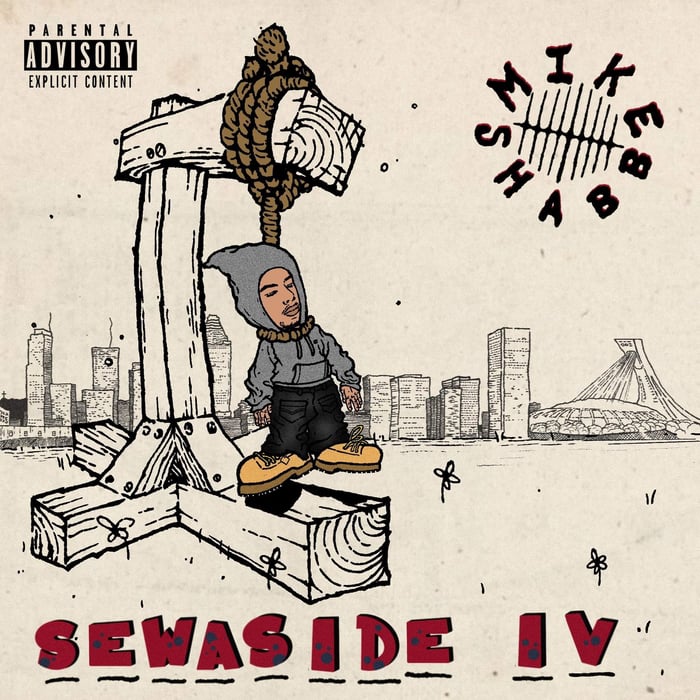
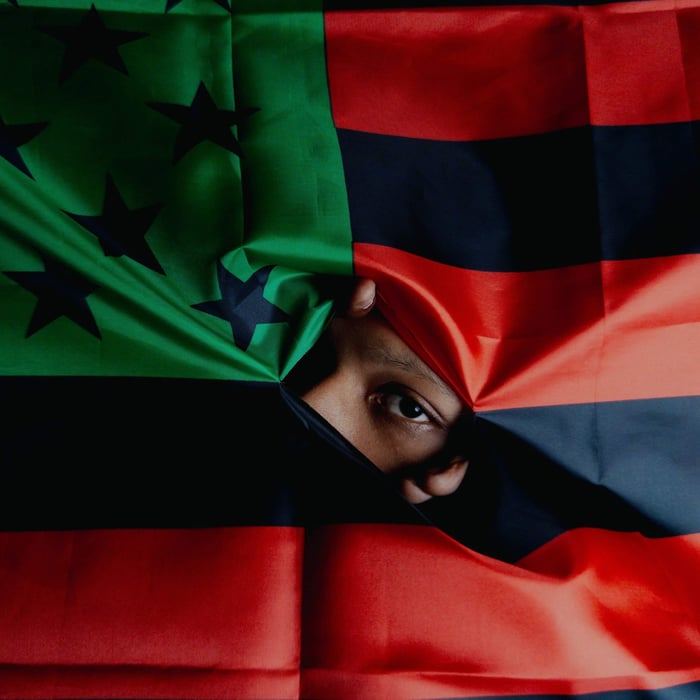
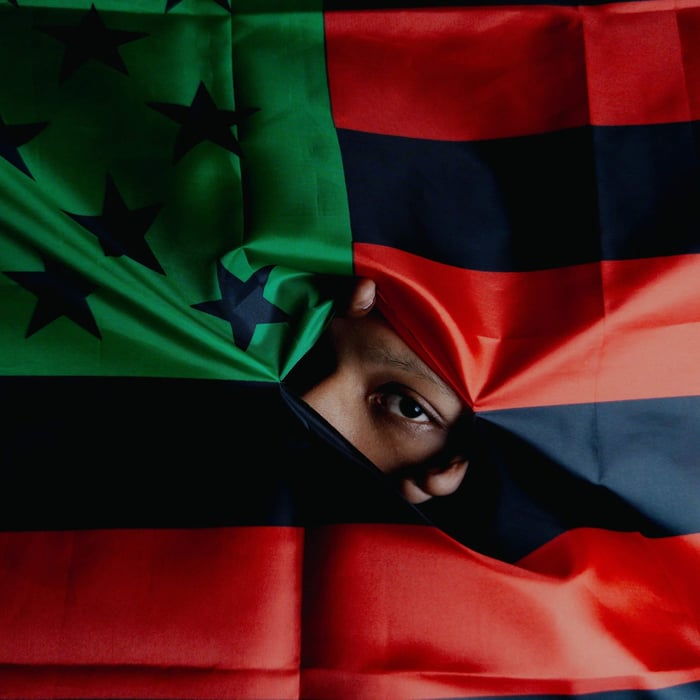
If this album’s cover burned into your brain the way it did mine, you can always turn that feeling into something physical—shop a favorite album cover poster at our store: https://www.architeg-prints.com
 | DISCOUNTGET 30% OFF*Use code on your next order:
|
* This post may contain affiliate links, meaning we earn a commission if you make a purchase through these links, at no additional cost to you.