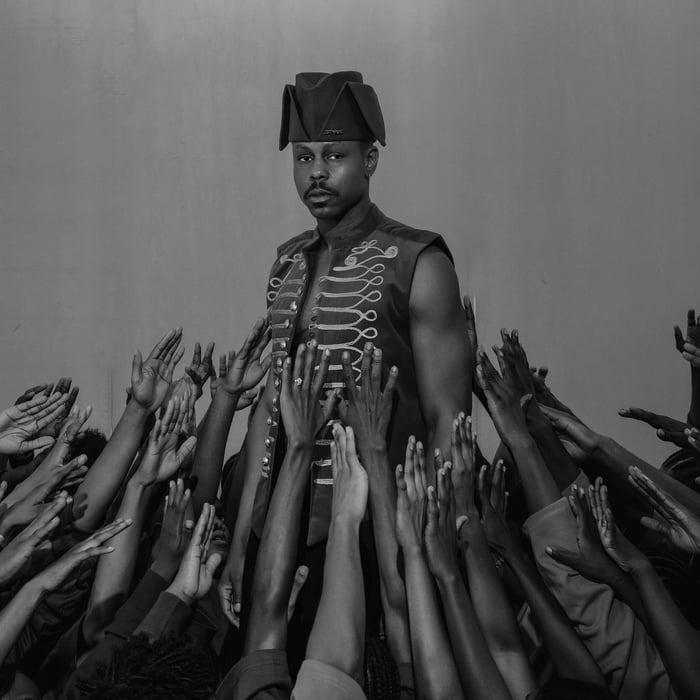
LADIPOE REVIVAL Album Review: Rap Hiding in Hooks Like It Pays Rent


 See more Architeg Prints stories on Google.
Album Review: REVIVAL by LADIPOE
LADIPOE’s REVIVAL album bends Afropop’s hook-first instincts into confession, score-settling, and prayer—sometimes all in the same breath, delivering a nuanced rap experience within melodic frameworks.
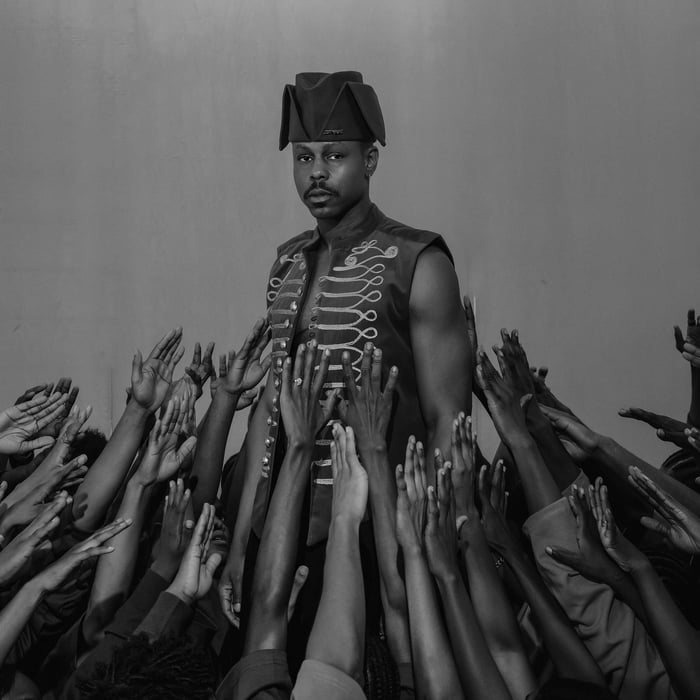
Courtesy of Mavin Global Holdings Ltd.
This album isn’t “back”—it’s a negotiation
Most albums called REVIVAL want you to clap because the artist showed up. This LADIPOE REVIVAL album doesn’t beg for applause. It walks in like, “Yeah, I took my time. Now deal with what that did to me.”
What hits first is the strategy: he doesn’t try to out-sing a label that’s basically built a reputation on melody. Instead, he does the sneakier thing—he raps from inside the hooks, like he’s using the catchy parts as camouflage. That’s not a compromise; it’s a power move. And if you think rap should bulldoze through the song instead of living in it, you might call it soft. I’d call it calculating.
Mavin’s melody machine gets repurposed as a rap delivery system
Here’s the tension I can’t un-hear: Mavin is a label where melody turns into global currency. That’s the engine. LADIPOE is the odd one out—one rapper planted next to hitmaking singers—and on this record he doesn’t fight that reality. He weaponizes it.
The guest list is stacked with singers, and the songs are built hook-first the way Afropop likes it. But he keeps slipping his verses into the middle of those choruses, almost like he’s interrupting the pop song politely. The result is this contorted hybrid: it still moves like Afropop, but the agenda is rap—settling scores, airing doubts, switching languages mid-thought like he’s talking too fast to translate himself.
I’ll admit it: on first listen I thought the hook-heavy approach was going to swallow him. Then the sequencing started to show its hand. He isn’t being drowned—he’s hiding in plain sight.
“Chosen” opens the door for the doubters—and lets them talk in Pidgin
“Chosen” is one of those tracks where the heckling is basically part of the beat. Doubters get quoted outright, in Pidgin, mocking the gap between “vibes” and actually dropping an album. It’s messy, public, and it’s supposed to sting.
“Six years running on vibes album no drop again/You dey fall hand I’ve been telling guys you’re one of them.”
And it does—because he doesn’t pretend it doesn’t. He reacts like a person who read the comments at 2 a.m. and didn’t even bother to act above it. Then he flips into plain English and starts listing what the silence did to him: perfectionism unlearned, noise filtered out, certain voices turned down because he’d been letting them live in his head too long.
The choir-like backing vocals keep things churchy—layers on layers, like the song wants to sound “uplifting” even while he’s basically admitting he’s been spiraling. That contradiction works. Someone could argue it’s manipulative. I think it’s accurate: people love to process pain with pretty harmonies.
“Amazing (Freestyle)” is where the confidence finally sounds earned
“Amazing (Freestyle)” doesn’t feel like a freestyle in the sloppy sense. It feels like a memory dump with timing. He goes back to his sister—she’s the one who funded a session—and the way he frames it makes it sound like the future was already being paid for years ago, even if nobody else could see it.
Then there’s Lagos traffic: verses written in that stuck, furious in-between state where you’re not moving but your mind is speeding. That detail matters because the bars come out with that same pressure—tight, impatient, but controlled.
He also drops one of his best jokes on the whole project, the kind of line that lands because it’s half funny and half “I hate what this is doing to me”: “Chasing royalties got T’Challa becoming Joffrey/So I sip my champagne like coffee.”
If you think humor weakens rap, you’ll disagree with me here. I think it’s how he proves he’s not desperate. Desperate rappers don’t crack jokes; they over-explain.
“Clutch” lets Teni run the court while he plays the straight man
“Clutch” is basically a Teni showcase, and it works because she takes the whole thing like she’s calling next game. She rechristens herself Kobe, promises she doesn’t miss, then starts stacking sports names—Taribo West, Yekini—until the boasting stretches across continents like she’s collecting passports.
LADIPOE’s choice here is telling: he doesn’t fight for dominance on his own single. He plays the straight man and drops a line that tells you what kind of success fantasy he’s rejecting: “I think about where I come from, that’s why I’m restless/Success in my family home is not a Lexus.”
That’s a clean thesis statement. And yeah, someone could say it’s an obvious bar. But obvious isn’t the same as untrue—and it lands because he doesn’t sound like he’s trying to impress Twitter with it.
Flirtation tracks that keep slipping into threat assessment
“Many People” leans into fantasy through Ema Onigah’s singing, while LADIPOE positions himself with a contradiction that feels a little too real: “the G.O.A.T and the black sheep.” He’s not choosing one. He’s insisting both are true, which is exactly the kind of thing ambitious people say when they feel misunderstood and slightly guilty about it.
“Compose” keeps the flirtation going with Taves, and LADIPOE’s restraint is the whole point—he’s trying to act cool and failing just enough to be interesting. The moment he calls desire a “bomb threat,” it’s funny, but it’s also him admitting his emotions don’t feel safe in his own hands.
Then “Jó” swings into dance mode, and his Yoruba loosens up. He compliments her in fragments—the whip, the skirt, the nails, the AP bracelet—like he’s scanning details because looking directly at feelings would be too sincere. Arguably shallow? Sure. But I think that’s the design: this is the part of the record where he acts like life is simple for three minutes.
“Motho Waka” and “No Level” are guest spots that expose his competitive streak
Maglera Doe Boy shows up on “Motho Waka” and does that thing great features do: he only needs two lines to set the temperature. He drops “Mashallah” and “Inshallah” like a survival mantra—hardships lived through, popping promised. It’s a flex, but it’s also gratitude with teeth.
LADIPOE meets him in party mode—cake, candles, Messi number 10—then pivots into teacher’s lounge boasting about success in anatomy class. That swerve is ridiculous on purpose. He’s basically saying: I can celebrate, but I’m still going to remind you I’m smart. If that annoys you, fair. It’s a bit smug. But it’s also his brand: the nerd who still wants the crown.
On “No Level,” Pa Salieu runs the opposite direction—volatile from syllable to syllable, calling himself “hotter than the ghetto holy water.” LADIPOE responds by trying to out-pet the chaos, taking a shot at a former friend with a Judas line, then calling stream farming fraud. The bitterness is so specific it almost feels like you weren’t supposed to hear it. Almost.
I’m not totally sure the song needed all those targets at once, though. It’s the one moment where the scoreboard feels more important than the melody.
“Friend Indeed” turns into therapy mid-sentence—and that’s the point
Most of “Friend Indeed” is LADIPOE chiding a friend who’s holding him back, questioning whether the money involved is basically blood money. He keeps poking at the ethics of getting paid in a broken world, and it starts to sound like he’s trying to convince himself he’s still clean.
“I’m talking to myself again I needed that.”
That’s the pivot. Suddenly the whole song re-frames itself: the “friend” is also him. Not in a corny, metaphor-for-everything way. In a practical way—like he’s caught himself repeating patterns and finally said it out loud.
You could argue it’s too on-the-nose. I’d argue it’s the emotional spine of the LADIPOE REVIVAL album. It’s the point where the writing stops performing and starts confessing.
“Road Rage / Old Ways” is the real nightmare: the beat switch feels like a bruise forming
“Road Rage / Old Ways” plays like a two-part car ride where the danger isn’t theoretical. A police stop turns ugly. He’s describing the necklace shining in the flashlight like that detail is the difference between “routine” and “we can ruin your life.”
“Tell me what’s the life expectancy/When public servants become public enemies.”
That line doesn’t land like poetry—it lands like a cold thought you can’t stop thinking once it shows up. Then the beat switches, and instead of acting tough, he starts praying. Not the performative kind. The desperate kind—begging God to chase demons out of his head.
“So, I swallow the pain/And the rage till I change/Into the thing that I hate.”
If you’ve ever wondered what “pressure” actually does to someone, this is it. It doesn’t just make you angry. It makes you resemble what you’re angry at.
“One More Time” and the lighter tracks still carry the same bruise
Somebody he misses haunts “One More Time.” It’s not just nostalgia—it’s that one-night wish, the comfort of memory acting like a drug you know you shouldn’t take but you still want to.
He measures what he’s become in the middle of it: “From all that pressure making me paranoid/To feeling like Olamide giving them Fire Boy.”
“Pull Up” and “Deeper” come with lower stakes—at least on paper. He promises to pull up “Even if the world was split in two,” memorizes a face before boarding a plane, swears he’s in it for her mind as much as her body, then compliments Issey Miyake yoga pants.
It’s charming, but here’s my mild complaint: one of these songs feels like the kind of smooth rap another rapper could’ve written. Not because it’s bad—because it’s generic by comparison. On an album this personal, the “normal” flirting briefly feels like borrowed clothing.
“Palm Trees (Interlude)” and “Jah (Outro)” close the album like a private vow
Mid-tour, there’s a call about delivering their child, and “Palm Trees (Interlude)” replays it. The partner is making a decision about how she wants to deliver, and the line “Fuck a c-section, I go push by force” lands with rawness that doesn’t sound rehearsed. It’s not there for shock. It’s there because that’s how real phone calls sound—unfiltered, not audience-aware.
He brings in the Cartier ring he bought when the reality of what a mother sacrifices finally hits him. Then his father appears too, quoted like a proverb:
“A man is much more than what he provides.”That line sits next to LADIPOE’s own value system—money matters, but family and purpose sit above it, like a hierarchy he’s trying to obey even when ambition starts yelling.
On “Jah (Outro),” the gratitude gets aimed upward. He tells God he doesn’t want to do it alone. He counts the cost in long days, longer flights, unanswered messages. And then he lets himself claim one credential without flinching:
“From underrated to undeniable.”Morien sings his name over him until it actually sounds like the prayer got a response.
I didn’t expect the ending to feel that tender, honestly. I thought he’d finish with a victory lap. Instead, he finishes with a kind of exhausted faith.
Conclusion: REVIVAL isn’t a comeback—it’s a receipt
The LADIPOE REVIVAL album doesn’t try to prove he’s the best rapper alive. It tries to prove he’s been awake this whole time, watching what fame does to friendships, love, work, and even his temper. The hooks don’t soften him—they frame him. And when the writing gets blunt (“Friend Indeed,” “Road Rage / Old Ways”), it’s not because he’s chasing seriousness. It’s because he’s finally done pretending the pressure is stylish.
Our verdict: People who like rap that can live inside Afropop without begging for permission will love this. If you need your rappers to bark over empty beats and never admit fear, you’re going to call this “too melodic” and miss the entire point—probably loudly.
FAQ
- Is the LADIPOE REVIVAL album more rap or Afropop?
It’s rap using Afropop structure—hooks first, verses slipped in like a confession you didn’t ask for but needed. - What are the album’s emotional high points?
“Friend Indeed” for the self-callout, and “Road Rage / Old Ways” for the moment rage turns into prayer. - Does the guest list overshadow LADIPOE?
No—he uses singers like architecture. The hooks are the rooms; he’s the argument happening inside them. - What’s one part that might not work for everyone?
A couple of the smoother romantic moments flirt with being interchangeable, especially next to the album’s sharper writing. - Where should I start if I’m new to him?
Start with “Amazing (Freestyle)” for the mindset, then jump to “Road Rage / Old Ways” to hear what he’s really fighting.
If you’re the type who treats album artwork like part of the story, it might be worth putting your favorite cover on the wall—tastefully, not like a shrine. You can grab a poster at our store: https://www.architeg-prints.com
 | DISCOUNTGET 30% OFF*Use code on your next order:
|
* This post may contain affiliate links, meaning we earn a commission if you make a purchase through these links, at no additional cost to you.