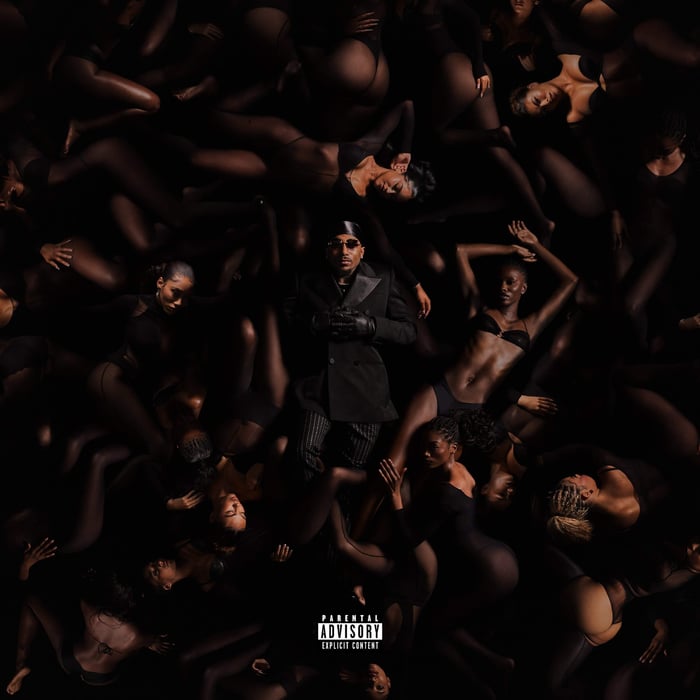
Pretty Girlz Run the World Review: Loe Shimmy’s Glossy Chaos Wins Anyway

 See more Architeg Prints stories on Google.
Pretty Girlz Run the World Review: Loe Shimmy’s Glossy Chaos Wins Anyway
Pretty Girlz Run the World sounds like romance, but it’s really a shopping spree with bruises showing through.
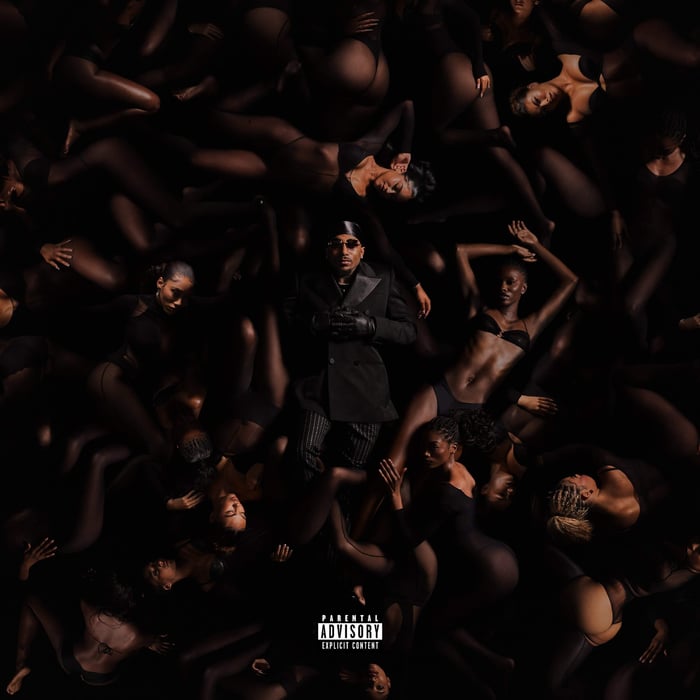
The Title Sounds Like a Compliment… Until You Hear the Fine Print
The first thing this album does is smile at you. Big smile. Then it starts naming cars, bags, private rooms, and dollar amounts like it’s reading a receipt out loud and expecting you to call it poetry. And somehow—annoyingly, sometimes impressively—that is the point.
Loe Shimmy is clearly playing in that South Florida lane where the rapper sings his own hooks about women like he’s both the admirer and the caution sign. Pretty Girlz Run the World isn’t trying to be tender in the way ballads are tender. It’s tender like handing someone your jacket because you know you’re about to do something stupid.
Arguable claim: the album’s “dedication to the girls” is less devotion and more negotiation—love language spoken in invoices.
“Dedicated to the Girls” Means “I Bought the Feeling”
Right away, the album leans hard into a specific kind of praise: the kind that compares a woman to a vehicle you’d finance at a dealership. It’s not subtle. He calls a woman “no mileage,” and that’s supposed to be flattering in his world—freshness as value, desirability as condition. I’m not even moralizing here; I’m saying he’s telling on himself. He doesn’t just like women. He likes the idea that they’re rare inventory.
On “Body Dangerous,” he’s stuck on maintenance, on a face “pretty enough” to be framed like art. It’s sweet for half a second—then you realize he can only describe beauty by turning it into an object in a showroom. Even when he’s complimenting someone, he’s appraising them.
“Top Notch” gets even weirder because he gives the five-star rating… and in the same breath admits she didn’t like her body, so he paid to “fix” it, tossed into a song that also wants to be about luxury dinners and another round of shots. That contradiction is the whole record in miniature: he’s praising her, but he’s also editing her. He wants a goddess and a project at the same time.
Arguable claim: this album doesn’t romanticize women as much as it romanticizes control disguised as generosity.
Money Isn’t the Backdrop—It’s the Plot
“Run the World” turns “pretty privilege” into an expense report. Her power over him has a price tag: a hundred racks on a new Mercedes. And “Seduce You” basically lays out the recruitment package—hair, nails, and a handover of 100K until her wrist “dances.” It’s absurdly specific, like he’s proud that desire has become a payroll system.
“Too Exotic” is one long escalation: AMG, Guatemala, an Hermès alligator, a Panamera, and finally the ring. It’s not that these details are inherently bad; it’s that he uses brands the way other artists use emotions. He stacks nouns until the song feels expensive enough to count as intimacy.
I’ll admit, on first listen I rolled my eyes at all the product talk—then on second listen I realized that’s the real confession. He’s not flexing because he’s happy. He’s flexing because he doesn’t know what else to put in the empty spaces.
Arguable claim: the most honest thing on this album is how often he tries to purchase permanence and still sounds unconvinced it’ll work.
When the Features Show Up, the Album Stops Pretending
The album gets sharper when other voices step in—because they don’t let him stay comfortable.
Sexyy Red jumps onto “5 Star Freak” and basically rates herself with the kind of blunt self-assurance he never quite reaches. She’s off the drank, she’s mugging women in the club, and she’s got rules. There’s talk of keeping a glove because some guy once thought he’d get it without one, and she’d rather pay a man than need one. It’s not “romantic,” but it’s power stated plainly. Next to her, Loe Shimmy’s own woman-praise starts sounding… decorative.
Then Summer Walker shows up on “Just Saying,” and the whole temperature changes. He tosses out Phantom rides and Hamptons weekends like bait. She answers like she’s unimpressed by the bait and more interested in the hunger underneath it. She says she’s needy when she’s faded, she’s out of patience, she wants to taste it before she takes it, and she’ll call him back as soon as he leaves. He offers Disney World, and she responds with what she’s going to do to him—like she’s dragging the fantasy back down to the body, where it belongs.
Arguable claim: the features don’t “add variety”—they expose how Loe Shimmy’s perspective shrinks women into trophies unless the woman grabs the mic and refuses.
“I Bleed Too” Is Where the Album Finally Flinches
“I Bleed Too” is the first time the album stops acting like it’s all velvet ropes and starts sounding like someone with an actual pulse.
He confesses he’s been “every man but one you need me to,” and he swears over his own cold heart that he believes her anyway. That’s a messy line—part apology, part manipulation, part panic. He asks to be left with “just her half,” like he’s bargaining with the remains of a relationship. Then he reaches for something genuinely human: remembering the first look into her eyes and seeing “two people living one life.”
And yes, the mileage metaphor comes back—“keep yours low; you’re more my speed”—even while he’s begging her not to leave. It’s almost funny in a bleak way: he can’t stop talking like love is a vehicle, even when he’s emotionally bleeding out.
I’m not totally sure whether he realizes how bleak that is, or if he thinks the metaphor is still slick. Either way, it lands.
Arguable claim: “I Bleed Too” works because it’s the one moment he stops selling the lifestyle and accidentally admits it hurts.
The “Not a Love Song” Problem: He Says No, Then Asks to Be Saved
At a certain point, the album swerves into something darker—then immediately tries to cover it with jewelry talk.
Somewhere between “200 on the dash” and a “twenty ball” tossed at Booby, he drops a line about not caring to be alive anymore. Then, almost comically fast, he pivots: don’t give up until we win; overthinking every night; Chrome Heart belt buckle that costs a ten. The emotional whiplash is so abrupt it feels intentional, like he’s allergic to sincerity and has to cleanse it with flexing.
He insists it’s “Not a Love Song,” then asks if she can save him and make him happy even though his soul is gone. That’s not just contradiction—that’s the album’s engine. He wants rescue, but he keeps showing up dressed as the disaster.
“What Is Love” makes it even plainer: he says he takes drugs every day to cover up feelings, says he’s got a deal with the devil, and by the hook he’s back on ice and red light details like nothing happened. I’ve heard people call this “layers,” but let’s not pretend it’s hidden. He’s putting the bleak lines right where the brag lines usually go.
Mild criticism: the album sometimes drops heavy admissions like they’re throwaway ad-libs, and that cheapens the shock. If you’re going to say you don’t care about being alive, don’t bury it under belt-buckle pricing five seconds later like it’s clutter.
Arguable claim: the record’s darkest moments aren’t “deep”—they’re carelessly placed, which is arguably more revealing than depth would be.
Same Party, Different Brands: When the Flex Starts Looping
A lot of the middle stretch feels like returning to the same room over and over—same private party, same switch “in case somebody think it’s sweet,” same purple mix with molly. “Everyday” earns its hook by literally listing days of the week, and honestly, that’s fitting: the routine is the point. This isn’t a wild night; it’s a schedule.
“What You Came For” frames the exchange bluntly—he asks what she came for, then answers with a “dirty thirty” and the suggestion that her friend might want it too. It’s transactional, and it doesn’t pretend otherwise.
“Soul Taker” is where he tries an actual concept: a woman who turns into a demon at night. That could’ve been a real left turn—something surreal, something psychological. Instead, he immediately puts her in Celine head-to-toe and asks her to perform. Even his demons get styled and managed. It’s funny, but also kind of claustrophobic: imagination shows up, and the first instinct is still to dress it in a brand.
“Poking Out the Gown” pushes further into lifestyle montage—Aspen, lobster tail, maybe even a lounge he might open. At some point, the only thing separating a few tracks is the logo he says out loud.
Arguable claim: the album pretends the luxury details are world-building, but half the time they’re just filler syllables with price tags.
“Bad at Moving On” Hits Because Someone Finally Says the Quiet Part
“Bad at Moving On” has the sharpest writing on the song, and it isn’t even his line. She tells him he’s broke inside. He asks how she can tell, and she answers: because he keeps taking drugs like he isn’t healed yet. That’s the album in one exchange—someone calls him out, and he can’t buy his way out of the sentence.
After that, the track falls back into the usual storm: Colombian cocaine, Addys, molly, painkillers, shrooms over days, a Hellcat high-speed chase. And the hook insists he’s bad at moving on—the rare claim he makes that doesn’t lean on money as proof.
He circles this truth again on “Aruba,” admitting the life and the ice came with more than anyone could’ve warned him about. And “Pretty Brown” lands with a tired sadness: he sheds a tear every time he smokes, and she looks at his scars. That’s not a flex. That’s a person trying to act normal while the damage keeps showing.
Arguable claim: the album’s best emotional moments happen when someone else forces him to drop the salesman voice and answer like a human.
“Birthday” Fixes the Power Balance—and Suddenly He’s Better
“Birthday” flips the dynamic in a way that instantly makes the writing feel fresher. A Rolex she bought herself shows up, along with her own bag, and a tone where you can “hear the boss” in her. She’s not being built, maintained, or upgraded. She already has it.
He can’t even remember what day she was born on, so he decides every day is her birthday. That’s ridiculous and kind of sweet—like he’s trying to cover a failure with a gesture big enough to look intentional. And then he tells her he’s proud of her, which lands precisely because it’s not tied to a purchase in the same obvious way.
Later they’re at the strip, and she brings the strippers back home—another moment where the woman has agency and appetite, not just “value.” The album relaxes when he isn’t trying to be the sole provider of meaning.
Arguable claim: Loe Shimmy sounds most convincing when the woman already has money—because then he has to offer personality instead of payment.
Conclusion
Pretty Girlz Run the World is Loe Shimmy trying to dedicate an album to women while accidentally documenting how he measures affection in upgrades, how he hides panic inside flexing, and how quickly the party lifestyle turns into a loop. When it hits—especially on “I Bleed Too,” “Bad at Moving On,” and “Birthday”—it’s because the mask slips and you can hear the person underneath the purchases.
Our verdict: If you like melodic rap that treats love like a luxury invoice—and you don’t mind the occasional emotional gut-punch tossed between car names—this album will feel weirdly addictive. If you want romance that isn’t constantly interrupted by belt-buckle pricing or “I’m empty” lines dropped like clutter, you’ll get tired fast and start wishing the demons in “Soul Taker” had more to do than wear designer.
FAQ
- What’s the core idea behind Pretty Girlz Run the World?
It frames women as the center of the world—then shows how often that “center” gets expressed through money, gifts, and status as stand-ins for vulnerability. - Does the album have real emotional moments or is it all flexing?
It has real moments (“I Bleed Too” especially), but it often buries them under luxury talk so quickly it feels like he’s scared of sincerity. - Which feature changes the album the most?
Summer Walker on “Just Saying” shifts the power dynamic fast—she doesn’t buy the fantasy, and that friction makes the track feel alive. - Is “Bad at Moving On” actually about moving on?
More like failing to heal. The most cutting line comes from the woman calling out his drug use as proof he’s still broken. - What tracks feel like the clearest highlights?
“I Bleed Too,” “Bad at Moving On,” and “Birthday” stand out because they either expose the cracks or flip the power balance in a way that forces better writing.
If you’re the kind of listener who obsesses over album aesthetics as much as lyrics, it’s pretty satisfying to keep a favorite cover in your space—quiet reminder of whatever phase you’re pretending you’re not in. If that’s you, you can grab an album-cover-style poster at our store: https://www.architeg-prints.com
 | DISCOUNTGET 30% OFF*Use code on your next order:
|
* This post may contain affiliate links, meaning we earn a commission if you make a purchase through these links, at no additional cost to you.