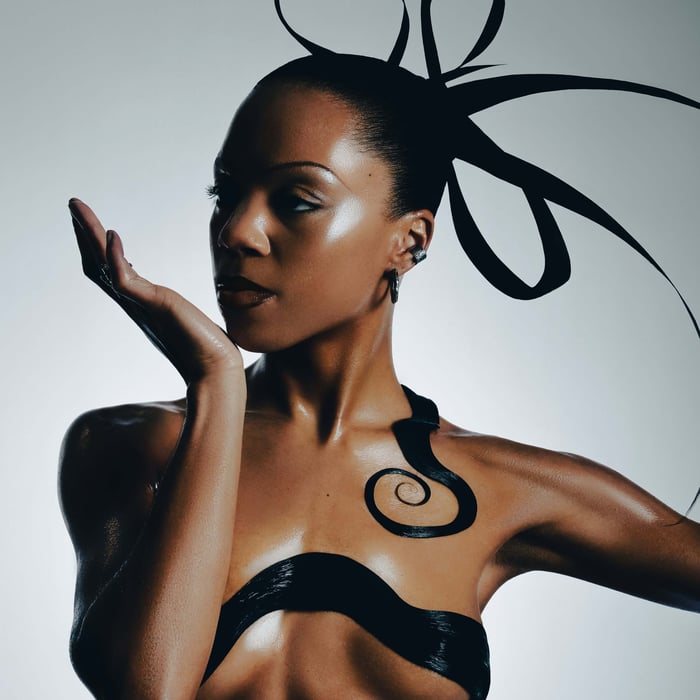
Seen Album Review: Latanya Alberto Turns Therapy Into a Pop Fight

 See more Architeg Prints stories on Google.
Seen Album Review: Latanya Alberto Turns Therapy Into a Pop Fight
Seen album is at its best when it stops preaching and starts staging scenes—blood, hands, and a busted lightbulb included.
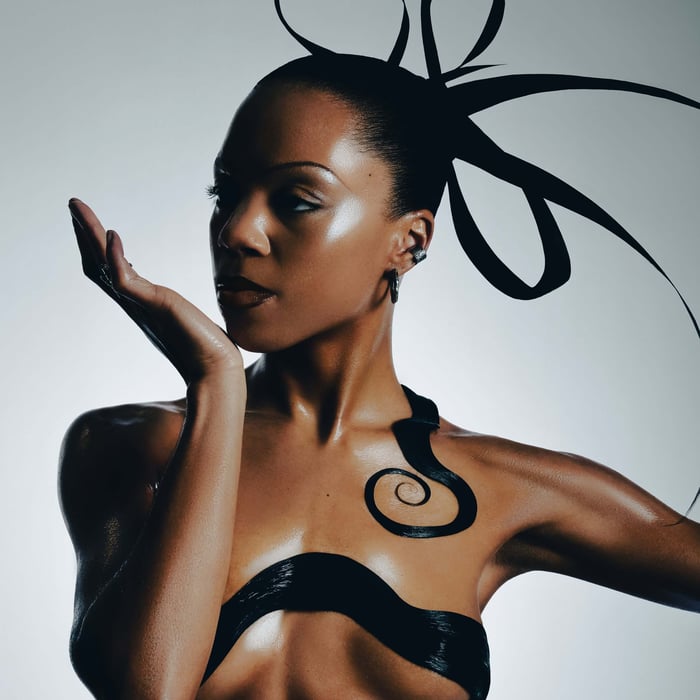
A Debut That Wins by Getting Specific
Some albums want to “heal.” This one wants to argue its way to healing, then hug you afterward and pretend the argument was intimacy.
Seen album works when Latanya Alberto stops trying to sound wise and just shows you a room: what’s hanging from the ceiling, what’s happening to the body inside it, what someone is asking for even though they hate needing it. The moment she gives me concrete objects—hands, wounds, a bulb, a doorway—her writing snaps into focus. The moment she reaches for a lesson, I can feel the air go soft and motivational, like the song is trying to pass a values test instead of telling the truth.
And yes, I’m aware that might be the point: the tension between real mess and self-improvement language. I’m not totally sure. But I know what my ears do: they perk up for the scenes, and they glaze over when the record starts issuing statements.
“Save Me from Myself” and the Lightbulb That Tells on Everyone
Here’s the first place the album shows its actual power: “Save Me from Myself.” I don’t mean “power” like volume. I mean the little cinematic decisions that make a relationship feel physical.
A blown-out bulb hangs overhead. Below it, a woman reaches for someone she can’t stand to leave, and she doesn’t dress it up. She needs saving. She says it plainly. He stops the blood. He catches her when she falls. Then the song flips its own script by the end—she promises she’ll do the saving too.
That’s the kind of emotional barter this album keeps circling: dependence dressed as devotion, devotion dressed as survival. When Alberto writes like a poet who can’t help but notice the furniture in the room, she’s sharp. When she tries to summarize the moral of the story, her grip loosens.
If you want the blunt version: she’s better at watching pain than explaining it.
“Watch You Leave” Makes Staying Feel Like a Threat
The emotional center of Seen album—and honestly the heaviest moment in the tracklist—is “Watch You Leave,” because it treats staying like a high-stakes action, not a romantic default.
The rule is brutal and simple: “No one leaves unless we’re healed.” Not “unless we’re happy.” Not “unless it’s healthy.” Healed. Like leaving is a form of theft.
She tends to the other person like it’s her assignment. She heals him, accepts what’s coming, and reports it with this calm that makes the lines hit harder. She’ll admit, almost casually, that she feels like she could die under his command sometimes. Then she pivots and claims she can dodge his bullets, turn them into stone with a soft touch, convert anger into tough love.
That contradiction is the song. The record keeps treating conflict as proof of love—as if screaming inside a house becomes sacred because it stays inside the house. It’s intimate in the way a locked door is intimate.
There’s one question she tosses up and doesn’t resolve: is it God between them, or is she on her own way out? I kept waiting for the song to answer it. It doesn’t. It goes back to the rule, the vow, the self-made trap. A reasonable listener could say that’s evasive. I think it’s the realest choice on the record: sometimes the promise is louder than the insight.
Two Songs, One War: Male Fragility as a Dance Partner
This album takes a swing at male fragility twice, and it’s fascinating how different the results are.
“Kill for Us” Works Because It’s Personal and Mean
“Kill for Us” comes in jazzy and confrontational—Alberto staring straight at a man and making him flinch. She throws the line like a knife:
She addresses “Mr Big Man,” and asks if he can even see her when she stands up straight and expands her shoulder blades. It’s a physical image, not a theory. Then the song turns playful—almost dancing around him—and that’s when it gets nastier, because the flirtation becomes a weapon. The implication lands: I can see behind your fragility, and the fact that I see it is what scares you.
That’s a real power dynamic. It’s not a slogan. It’s a moment.
“On Your Side” Gets Lost in Its Own Good Intentions
“On Your Side” fights the same battle, but zoomed out. It asks big questions—have you fenced your masculinity, are you scared of your fragility—and it’s built around a conversational, face-to-face hook: “You see me, I see you.” That part is the song’s clearest win: two people in a quiet standoff, no fireworks needed.
But the verses strain toward grand civic language—democracy, absence of misogyny, release in dignity—and those rhymes end up stating values instead of singing them. I don’t doubt what she believes. I just don’t think belief automatically makes a good lyric. The smaller, sharper interpersonal fight in “Kill for Us” hits harder than the broader call for dignity here, because rhetoric can’t bruise you the way a specific person can.
And yeah, maybe I’m being unfair—maybe the whole point is to sound like a public address. But when Alberto goes abstract, the songs start feeling like they’re asking to be agreed with instead of felt.
“Humble” Turns the Savior Complex Into an Injury Report
“Humble” is bouncy Afrobeat on the surface, but what it’s really doing is confessing the cost of being the “helper.” Alberto paints herself as a “self-titled doctor, healer of pain,” then looks down at her own hands and admits the obvious: the healer is bleeding.
She looks in the mirror and gets humbled. The wounds on her hands suggest she’s struggling with being the help she thought other people would need.
That’s the album’s recurring hang-up in one neat snapshot: she was raised by mothers to give, and the people she saves aren’t always gracious enough to make the saving feel worth it. It’s not self-pity exactly. It’s closer to fatigue—the kind that makes you realize your identity might just be a job you never applied for.
If there’s a hot take here, it’s this: “Humble” is one of the few times the album admits that caretaking can be ego, too. Not just love. Not just virtue. Ego. And that makes it interesting.
“Almost There” Has the Best Verse… and the Song Knows It
“Almost There” moves smooth at first, like it’s building a case for confidence—faith in what will catch you, faith in the next step, the usual upward language.
Then the bridge drops the mask and shrugs off the whole inspirational posture. Suddenly we’re in a different, darker room:
“I’ve been burnt by the same cigarette fourteen times… I kept the knife where you stabbed me.”
—Latanya Alberto, “Almost There”
That’s the album at its best: not “I learned my lesson,” but “I keep returning to the injury like it’s familiar furniture.” It’s specific. It’s embarrassing. It’s believable.
What surprised me is how much that bridge dwarfs the sing-song encouragement surrounding it. The rest of the track starts to feel like stage lighting set up to make the bridge look even uglier—and more true. The path it offers afterward seems to split into two choices: spread the hurt outward, or leap out of it. Neither feels clean. That’s why it lands.
If I have a mild complaint about Seen album, it’s right here: sometimes the record builds these brilliant, sharp moments… and then cushions them with choruses that sound like they’re trying to be helpful. I don’t always want helpful. I want honest.
“Purify” Shrugs at the Idea of Clean Living
“Purify” is lighter, smaller-footed—an easier heave after the heavier emotional lifting. Her English trips in a way that comes off charming rather than sloppy, because the phrasing feels lived-in, not polished for approval.
The song’s core idea is blunt: nobody’s pure. Everyone slides. Everyone’s contaminated. And she isn’t uncomfortable saying that out loud.
A reasonable listener could say “Purify” is too slight. I’d argue that’s why it works: it doesn’t pretend to be a breakthrough. It’s just a quick clearing of the throat—stop chasing purity, you’re already human.
“Hold Your Hand” Is Where She Becomes Annoyingly Likable
“Hold Your Hand” is playful, and it’s funny in a calm way. She’s dressed and ready—big girl clothes, fully capable—and still wants someone to give her a hand.
There’s a small, self-satisfied compliment embedded in the desire: she’d rather place her “soft entitled face” in the palm of someone’s hands and rest her head and the day in their lap than do it alone. She can carry it herself. She just… doesn’t want to.
At first I took this track as lightweight—like a breather. On second listen, it sounded more revealing than some of the “serious” songs. Want and competence sit at odds here, and that tension feels like an actual personality, not a mission statement.
If you don’t like the song, you might call it indulgent. I think it’s the album admitting that independence is sometimes just performance.
When She Comforts You, She Sounds… Ordinary (and That’s the Point)
The record’s comforting songs don’t come in glowing prophecy. They come in plain talk.
“Long Road” Gives You Greeting-Card Advice on Purpose
“Long Road” is built on barely more than Rhodes and bass, and it asks love to serve as a shield. She warns against the kind of quick healing that feels good for a second and then doesn’t stick.
It’s practical advice, almost rational. You could absolutely imagine it printed inside a card. And honestly? That might be the intention: comfort that doesn’t demand you be profound, just steady.
If you wanted fireworks, this isn’t it. But if you’ve ever needed a song to say, quietly, “don’t fall for fake fixes,” “Long Road” understands the assignment.
“Window to the Soul” Is the Thinnest Moment Here
“Window to the Soul,” with its Latin-tinged sway, is where the album feels most like it’s coasting. The song lists what she’s done—trusted, fought for, received unbelievable patience—and then the chorus lands on: “Window to the soul, I see you all the way through.”
It’s nice. It’s true. It’s also the least substance on the project.
Nothing in the chorus demands more from her than the heavier songs already demanded. It feels like a placeholder sentiment—pretty, safe, and slightly weightless. If this track disappeared, I’m not convinced the album’s emotional story would lose anything.
“Sweet Child” Strips the Voice Down to the Bone
“Sweet Child” is where Alberto uses her most naked voice, and it changes the temperature immediately. It plays like a monologue directed at a child—maybe a daughter, maybe the girl she was. Either way, it’s intimate in a way that doesn’t need musical muscle.
She tells the kid that justice takes its sweet time, so don’t wait politely—snatch it. The child isn’t innocent anymore; she’s learning struggle early. And she won’t be alone: women will guide her through the injustices that are coming.
Earlier, the interlude nails a line that haunts the rest of the record:
“Vulnerability is courage in you, weakness in me.”
She hands resilience to others and withholds it from herself. That’s not just humility; it’s a tell. It suggests she’s more comfortable praising strength than claiming it.
By the end of Seen album, what sticks isn’t the uplifting stuff. That can vanish by morning. What sticks is the imagery: the bulb, the hands, the burns, the knife kept where it entered. Alberto is still catching up as a singer—but as a writer, she knows exactly where to press.
Where I Landed (and What I’m Still Not Sure About)
I think this album is trying to do something risky: turn personal damage into guidance without turning into a lecture. It doesn’t always succeed. The moments where it reaches for big ideals—democracy, dignity, the clean version of justice—can feel like the song is asking me to nod along.
But the moments where it goes small and ugly? That’s where it hits.
I’m still not totally sure whether the “rhetoric” moments are missteps or intentional armor—language used to avoid the rawest admissions. Either way, the record shows its hand: Alberto trusts objects and scenes more than slogans, even when she can’t resist the slogans.
Favorite tracks I kept replaying: “Humble,” “Watch You Leave,” “Almost There.” And yes, overall, this lands in the “great” zone for me—mostly because the best lines here don’t fade when the song ends.
Conclusion
Seen album isn’t trying to impress you with vocal gymnastics or shiny maximalism. It’s trying to prove something—about love, saving, staying, and the strange pride that comes with being the person who always patches the wounds. When Latanya Alberto writes in pictures, the album feels undeniable. When she writes in principles, it starts to drift. The good news is: the pictures win more often than they lose.
Our verdict: People who like lyric-first R&B/pop that treats relationships like battleground therapy sessions will actually love this. If you need choruses to be pure sugar (or you break out in hives when a song starts sounding like a mission statement), you’ll get impatient—probably right around “Window to the Soul.”
FAQ
- Is Seen album more about storytelling or big themes?
Storytelling, when it’s at its best. The strongest songs give you scenes—bulbs, hands, burns—then let you sit in them. - What’s the most emotionally intense track here?
“Watch You Leave.” It makes “staying” feel like a vow and a threat at the same time. - Which song has the sharpest writing?
“Almost There,” especially the bridge. It’s the moment where the album stops trying to encourage you and just tells the truth. - Does the album ever get too message-y?
Yes—“On Your Side” reaches for broad rhetoric that doesn’t hit as hard as her more personal confrontations. - Where should I start if I’m only sampling a couple tracks?
Start with “Humble” and “Watch You Leave,” then go to “Almost There” once you’re ready for the darker admission.
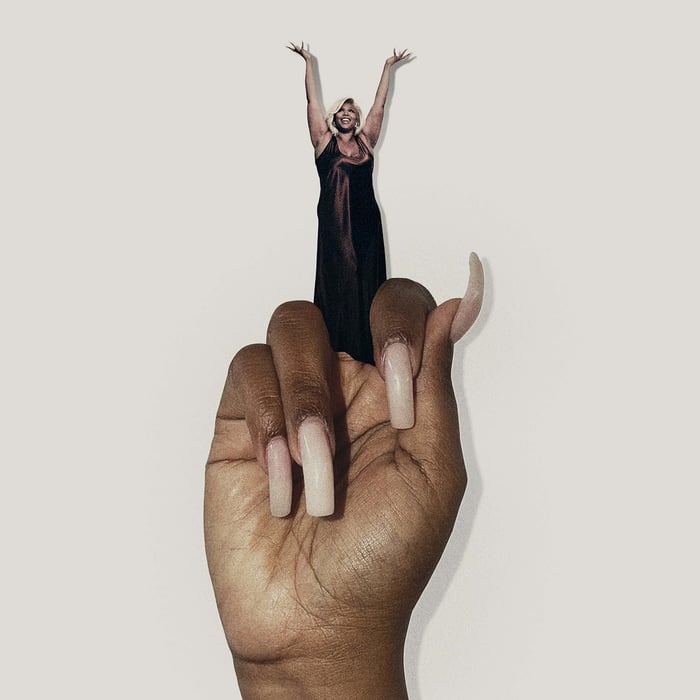
If you’re the kind of person who bonds with an album’s visual mood as much as its lyrics, consider grabbing a favorite album-cover poster from our shop. It fits the whole “hang it on the wall and overthink it later” vibe.
 | DISCOUNTGET 30% OFF*Use code on your next order:
|
* This post may contain affiliate links, meaning we earn a commission if you make a purchase through these links, at no additional cost to you.