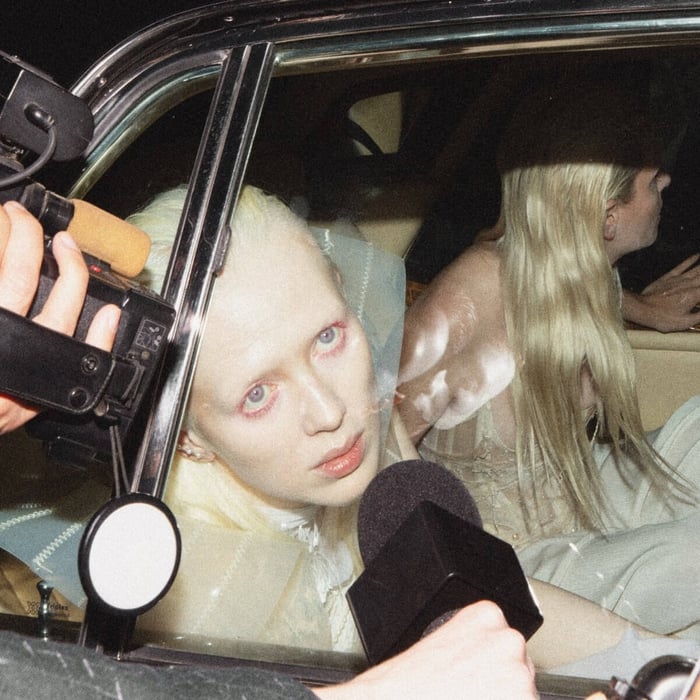
Static Dress Injury Episode Review: Loud Therapy, Slightly Too Much


 See more Architeg Prints stories on Google.
Static Dress Injury Episode Review: Loud Therapy, Slightly Too Much
Injury Episode is Static Dress turning post-hardcore anxiety into a concrete wall—sometimes flawless, sometimes just… a bit long-winded.
A record that doesn’t “start,” it lunges
There are albums that ease you in. Injury Episode doesn’t. It grabs your collar and drags you through fifteen tracks like it’s trying to prove—immediately—that Static Dress didn’t come back to do a “mature” second album. This is the opposite of mature. It’s deliberate emotional vandalism, polished just enough to count as craft.
Static Dress have been climbing since Rouge Carpet Disaster (2022), and you can hear what they did with that momentum here: they didn’t diversify to be tasteful, they diversified to keep the pressure up without repeating the same breakdown-shaped thought for 45 minutes. The result is a record that’s basically an unrelenting wall of sound, but with enough left turns to stop it from becoming one long blur.
And yeah—halfway through 2026, this already acts like an Album of the Year contender. Not because it’s perfect, but because it’s committed.
The opening: fog machine dread, then straight to the throat
The album opens with “lose the rain”, and it’s not really a song so much as a mood leak: eerie distortion, whispering, the sense that something’s wrong in the room even if you can’t point at it. It slides into “questioning” like the band timed the transition specifically to deny you a breath.
“questioning” is where the record shows its main trick: early-00s roughness dragged into 2026 without sanding the edges off. The guitars don’t just chug—they swell, like a wave that keeps rising past the point it should crash. The drums hit with that thunderous insistence that makes you unconsciously brace your shoulders.
Olli Appleyard moves between clean and harsh vocals like he’s flipping between two versions of the same panic. It isn’t “versatile.” It’s strategic—clean lines to bait you into listening closer, harsh lines to punish you for doing it.
Then “Pharmacy Film” keeps the intensity but changes the engine. Instead of the bruiser riff approach, it goes punchy and bouncy, almost spring-loaded, like the song’s hopscotch rhythm is there to make the heavier moments feel heavier when they land. This is the first sign the album isn’t going to pull from the same emotional pocket over and over.
By the time “Adapter” shows up, the pace slackens a little—not in urgency, just in sprint speed. The vibe nods toward that Taking Back Sunday-ish melodrama, the kind that always feels like a fight broke out in a parking lot but everyone still remembers the words. Some people will call that dated; I think Static Dress are using it as a weapon: nostalgia, but with sharper teeth.
When the album goes heavy, it goes personal
Static Dress don’t leave much room for breaks, and “Nostalgia Kills” is where they really flex the heaviest end of the record. Bringing in Spencer Chamberlain of Underoath isn’t a cute feature—it’s a statement: this track is built to be bigger than the band’s own voices.
The riffs burn. Not “crunchy,” not “thick”—they sear. Appleyard sounds like he’s trying to outpace his own thoughts, and Chamberlain’s presence doesn’t dilute that; it makes it feel like the walls are closing in faster. The two vocal styles don’t just complement each other—they form a kind of argument, like the song is two people spiraling in different directions but sharing the same room.
Then “…hospice” pivots emotionally, and it’s one of the smarter swerves on the whole album. The My Chemical Romance influence isn’t subtle; it’s in the anthemic shape, the heartstring tug, the way it turns pain into something you can chant. It’s less metalcore sprint, more emo stage-light drama. I’m not even mad about it—this is the band admitting that melody can hit harder than speed.
And look, the mental image it triggers is painfully specific: the “bygone era” of emo hangouts and mosh-kid melancholy, the kind of scene where everyone looks exhausted on purpose. If you know, you know.
The mid-album run: kitchen two-step violence and social disgust
After that, “lip critic” snaps you back to the fast-paced stuff like a slap. It has that punch-to-the-face immediacy that makes even boring life tasks feel like a fight scene. I swear this is the kind of song that makes you start two-stepping while doing dishes, just because your body can’t file the energy anywhere else.
It segues into “Male-bomb”, equally heavy, but the intent feels different. This one reads like disgust turned into rhythm—taking aim at the current noise of manosphere-type guys who won’t stop shouting into the internet. I like that the track doesn’t try to be nuanced about it; it’s not an essay, it’s a sonic ejection.
Then “dull blade disguise” reaches back into that early-00s vibe again… and this is where I hesitate a bit. It’s not a bad song. It just doesn’t hit with the same inevitability as the others. With fifteen tracks on the record, this is the moment where you can feel the album’s one real weakness: sometimes it’s so eager to overwhelm you that it forgets not every punch needs to land at full force. The fat could’ve been trimmed slightly, and the best parts would shine even harder.
Modern hardcore ugliness (compliment) and the “wait, is that acoustic?” break
From there, the album leans into a more modern hardcore edge with “Classic.Death.Pose”—which, yes, is an absolutely perfect emo song title. The track is rough, punishing, violent. It sounds like it was designed to cause chaos live, the kind where the floor turns into a tide and anyone standing still is doing it wrong.
And then “Adult Diamond” happens, and you hear an acoustic guitar on a metalcore record like someone opened a window in a room that’s been filling with smoke. I didn’t expect it to work, and on my first impression I assumed it was going to be a token “soft track” to prove range. But it’s actually placed like a pressure valve—reflective, not sleepy. The acoustic moment doesn’t weaken the album; it makes the surrounding heaviness feel earned.
It also fits Appleyard’s softer vocals surprisingly well. There’s a grungy little riff in there too—nothing flashy, just enough grit to keep the song from drifting off into pretty nothingness. If anything, it proves Static Dress understand something a lot of heavy bands forget: contrast isn’t betrayal, it’s architecture.
“human props”: the album’s clearest target
One of the most direct highlights is “human props.” This track doesn’t hide what it’s doing: it takes aim at people who coast through life while others get used—treated like entertainment, treated like objects for whoever’s in power.
It’s punchy, frustrated, built to be yelled back at the band. The hooks don’t soften the message; they sharpen it, because a good hook makes anger contagious. If the earlier tracks feel like internal panic, “human props” feels like that panic finally turned outward, finding someone to blame.
There’s a brief intermission afterward—just enough to reset your ears—before the album lines up its closer.
The ending: a bruising bookend that actually sticks
“Treading” closes the album the way it began: bruising, insistent, no gentle goodbye. It works as a bookend because it brings the desperation and mayhem back into focus instead of fading out. Plenty of heavy records end by throwing extra noise at you; “Treading” ends by making the noise feel like the point.
By the time it’s over, the album’s central trick is obvious: it keeps you in motion. Even when it slows down, it’s still urgent. Even when it gets anthemic, it still feels cornered.
And yes, I’ll say it: it’s close to a near-perfect offering. The one track that sagged a little doesn’t ruin anything—it just reminds you this record is ambitious enough to occasionally overstay its welcome.
The “tricky sophomore album” myth doesn’t apply here
People love calling the second album “the tricky one,” the grower, the misunderstood pivot. I don’t hear that here. Injury Episode isn’t tricky—it’s blunt. It’s a tour de force in the sense that the band clearly aren’t messing around, and they don’t seem interested in being politely impressive.
This is a record that’s basically already rehearsing its live life. You can hear how these songs are going to kick people around in a venue. And honestly? That seems like the whole plan.
If I had to put a number on it, it lands around 9/10 in effectiveness: not because it’s flawless, but because it hits its intended target over and over with very few misses.
Release note (because you’ll ask anyway)
Injury Episode is out now via Sumerian Records.
If you want the band’s updates the straightforward way, Static Dress are on Facebook.
Conclusion
In the end, Injury Episode sounds like Static Dress taking every expectation for a sophomore record and using it as kindling. It’s loud, emotional, occasionally messy on purpose, and just self-aware enough to know when to pull an acoustic guitar out of the wreckage.
Our verdict: People who like heavy music that sweats—post-hardcore panic, metalcore blunt force, emo drama without apology—will latch onto Injury Episode fast. If you need restraint, subtlety, or you think fifteen tracks is automatically “too much,” this album will feel like being trapped in a very stylish washing machine.
FAQ
- Is Injury Episode heavier than Rouge Carpet Disaster?
It feels heavier more often, and it’s certainly less patient. Even the melodic moments are placed to make the next hit feel worse (in a good way). - Does the album actually vary its sound or just pretend to?
It varies for real—punchy riffs, early-00s post-hardcore flavors, modern hardcore nastiness, and even acoustic relief without losing the thread. - What’s the most anthemic track on the record?
“…hospice” leans hardest into that big emo sweep, turning the intensity into something you can shout along to. - Where does the album dip at all?
“dull blade disguise” didn’t hit me as hard as the surrounding run. Not a skip, just the moment where the album’s length becomes noticeable. - Which song has the clearest message?
“human props” feels the most pointed—anger aimed outward, with a hook that’s built for collective yelling.
If this album’s visual mood stuck with you too, it’s not a bad idea to put that obsession on your wall—shop your favorite album cover poster at our store.
 | DISCOUNTGET 30% OFF*Use code on your next order:
|
* This post may contain affiliate links, meaning we earn a commission if you make a purchase through these links, at no additional cost to you.