Shattered Glass Review: Daniel Son & Futurewave Make Hustle Sound Boring (On Purpose)


 See more Architeg Prints stories on Google.
Shattered Glass Review: Daniel Son & Futurewave Make Hustle Sound Boring (On Purpose)
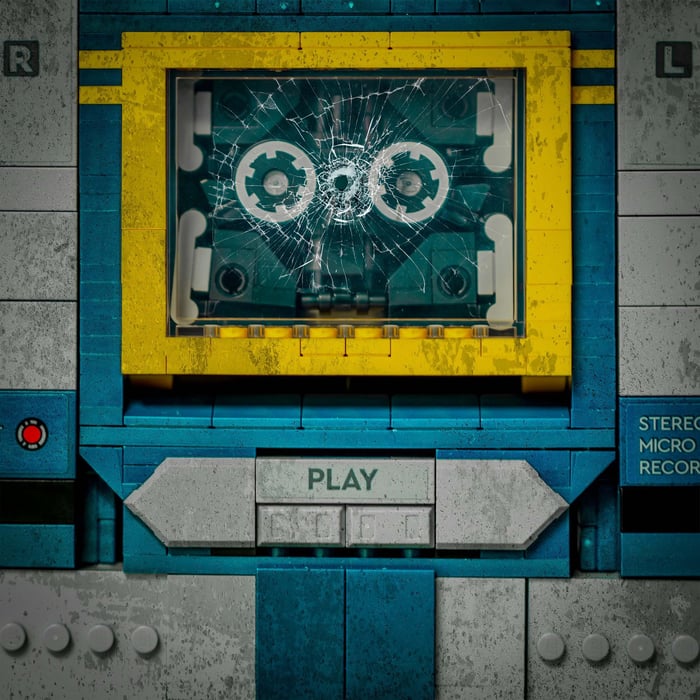
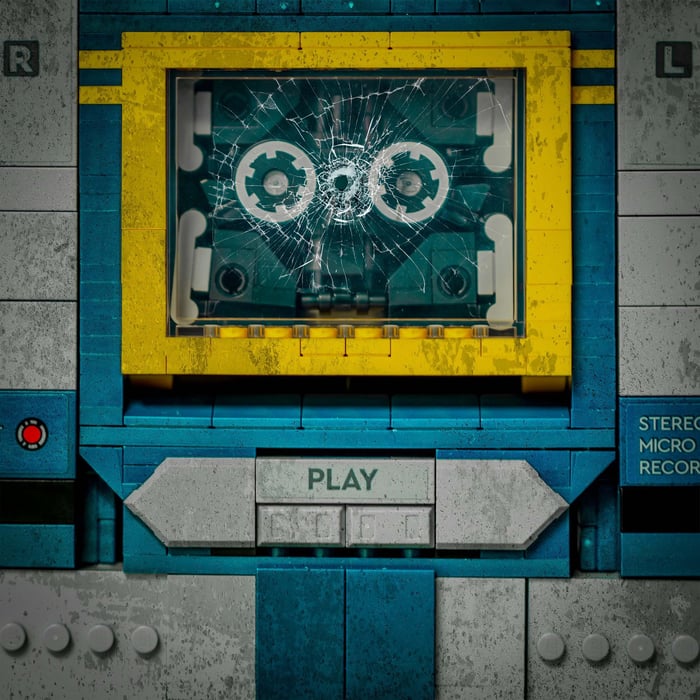
Shattered Glass turns Toronto boom-bap into paperwork rap—cold, precise, and weirdly human. Here’s why Shattered Glass sticks after the flex fades.
A cold welcome: this album doesn’t beg for local approval
Toronto has a funny habit of acting like the underground doesn’t exist until somebody overseas presses it on wax and ships it back with a fancy sticker. Meanwhile, labels out of the UK have been putting Daniel Son and Futurewave on vinyl for years, while their own city stays hypnotized by whatever headline happened last Tuesday.
That’s the vibe Shattered Glass opens with—not whining, not campaigning, just moving forward like the “scene” is irrelevant. Daniel Son has clearly lived with that imbalance long enough that it hardened into a method: make the work, stack the catalog, and let the silence look stupid later. Futurewave, meanwhile, is the kind of producer who doesn’t wait around for a perfect studio situation—he records, mixes, and masters the whole thing himself between shifts at a day job. That matters, because you can hear the practical, self-contained grind in the sound.
This is their latest full-length together, and it lands as their first batch of all-new material since Son Tzu & the Wav.God (2022). Last year’s Baggage Claims felt like it was built from older leftovers; Shattered Glass doesn’t give off that “thawed out” smell. It’s not nostalgic. It’s current—maybe not in a trendy way, but in a today I have to do this again way.
Arguable take: the record’s biggest flex is refusing to act like it needs the city’s attention at all.
Futurewave’s production: the loops aren’t “dirty”—they’re left alone
Here’s what Futurewave is really doing: he’s chopping samples like a man dragging film through a busted projector, then refusing to fix the machine. The chops land, the loops wobble, the textures grind—and instead of sanding it down, he leaves the friction in place.
On “Shipping Containers” and “Bear Steaks,” he lets the loops run without drums. No snare to lean on, no kick to hold your hand. At first, I thought that was going to feel unfinished—like a beat tape idea that never got “completed.” But after a minute, it clicks: the absence is the point. With no percussion, Daniel Son’s voice becomes the drum kit. His consonants hit like rimshots, his breath becomes a hi-hat pattern, and every pause feels like a kick drop that never comes.
Then “Shotgun Draw” comes in and snaps back with a thick, blunt kick. And because you’ve just sat through those naked stretches, the drums suddenly feel heavier than they would’ve otherwise. It’s a simple trick, honestly, but it works because Futurewave is patient enough to let the listener get uncomfortable first.
There’s grit in these mixes—residue from late sessions, no outside engineer smoothing everything into “professional” sheen. Futurewave doesn’t polish much beyond getting the levels close enough to hit hard. He lets the dirt stay, like it’s evidence.
Arguable take: the roughness isn’t a limitation—it’s the aesthetic, and a cleaner mix would actually weaken the album’s credibility.
Daniel Son’s “shipping log” rap: the point is the paperwork
Daniel Son raps about moving product with the specificity of somebody filing a shipping log. Not in a “cinematic” way, not in a glamorized street-myth way—more like this is the workflow, don’t interrupt me.
On “Shipping Containers,” he’s “at the airport bar with some Switzerland bankers” while the package is “crossing border in the shipping containers.” That’s not a movie scene; it’s a transaction with bad lighting and a casual tone. On “Ticket Sales,” he’s “tippin’ scales,” then making sure they “miss the trail.” The hook flips a wholesale principle into something close to a mission statement: “You gotta order more if you wanna pay less.” No moral lesson, no explanatory pause—just math.
That’s one of the album’s strangest creative decisions: Daniel Son doesn’t slow down to make sure you’re following. He assumes you either understand the language or you don’t, and he keeps talking anyway. It’s blunt, borderline rude… and also kind of refreshing in a rap landscape where people over-explain their own mystique.
On “Lil Earl,” he drops a violent little accounting joke: if he had a twenty-dollar bill for every line on an opponent’s face, he’d “have enough to buy an island estate.” Then it’s right back to numbers. No dramatic pause, no “did you catch that?” wink. Just: next line.
I’m not totally sure whether that emotional flatness is armor or just habit. Either way, it turns the album into something colder than it first appears.
Arguable take: Daniel Son isn’t trying to sound intimidating—he’s trying to sound busy, and that’s more believable.
When grief shows up, it’s treated like another line item
The album’s sharpest psychological move is how death appears and disappears without ceremony. On “Kolors On Queen,” Daniel Son drops a line that hits like a sudden draft in a sealed room:
RIP my brother K, I pray you get to the gates.
And then the verse keeps moving—back to cutting fish, dodging cops, breezing through an airport. No swelling strings. No moment where the beat kneels for the sadness. Grief gets one or two bars, then it’s filed under the same heading as everything else: keep it moving.
That’s basically the emotional thesis of Shattered Glass. Pain shows up the way a notification pops up while you’re doing something else. You see it, you feel it, then you swipe it away because the day doesn’t stop.
On “Late for Dinner,” the title itself feels like a shrug—someone might be late for dinner but not late to the bar. And a few lines later, Daniel Son describes a man whose nose whistle “sound like a jazz flute playing symphony notes,” which is funny in that deadpan way where you’re not sure if you’re allowed to laugh.
On “Bow Flesh,” paranoia finally breaks the surface: he dreams about K9s sniffing out packages, wakes up in cold sweats, then drops a closer that should be highlighted in neon—“I seen the fear in friends, that’s why my heart’s cold now”—and he doesn’t emphasize it at all. Same tone as the threat lines. Same temperature as the math.
If you’re waiting for a big emotional “song” where the album opens up and cries, you’re going to be waiting a while. This record doesn’t process feelings; it inventories them.
Arguable take: the album’s emotional restraint is more unsettling than any of its tough talk.
Guest verses: the outsiders expose the main character
The features are placed like pressure tests. They don’t just add variety—they reveal what Daniel Son is and isn’t willing to do on his own songs.
Asun Eastwood steals “Ticket Sales” with the guest verse of the album, rattling off images—fox fur, Dre wool coats—then calmly landing a line that feels like a threat disguised as wardrobe commentary: “this fox fur, let ‘em know a wolf skinned it.” The delivery is so casual it sounds like something said at a kitchen table, not shouted across a track. And because Futurewave gives them a loop with no drums, there’s nowhere to hide: no rhythmic cushion, no crash cymbal to blur the edges. Eastwood’s stiffer, more deliberate cadence rubs against Daniel Son’s voice in a way that makes both sound sharper.
Then Sayzee (from St. Catharines) brings a messier, wilder charge to “Ocean Smock.” He compares himself to Sidney Crosby in a face-off, claims he’s “dropping every week like Epstein files,” then turns into Megatron inside the same sixteen. It’s a lot—almost too much. The first time through, I remember thinking, Okay, we’re just saying anything now. But on second listen, the mismatch starts to feel intentional: Sayzee’s chaotic energy makes Daniel Son sound even more controlled when he steps in and scolds rappers for “only marking in his means.” Daniel Son’s verse feels tighter because you just watched someone else swing wildly at the same pitch.
Mild criticism, though: Sayzee’s verse toes the line where “wild” starts sounding like “unfiltered,” and not every bar lands clean. But I also suspect that rough edge is why it’s here.
Arguable take: the best features on this album aren’t there to complement Daniel Son—they’re there to make him look even colder by contrast.
The cracks in the hustle script are the real story
Every few songs, a line slips through that has nothing to do with the hustle—like the album accidentally tells the truth while it’s busy talking business.
On the opener, Daniel Son admits he “took some wrong steps that had to be corrected” and was “blind to the signs,” then immediately swings back into telling off-brand rappers to pay up or shut up. That whiplash is the point: confession is allowed, but only in tiny doses, and only if it doesn’t slow the machine down.
On “Broke Routine,” he drops a ghost count: “at the forks, I paved a road in between/so many ghosts that I seen.” It’s one of those lines that doesn’t beg for attention, which is exactly why it sticks. The album rarely stops to reflect, so when it does, it feels like a crack in a windshield—you can still drive, but you can’t unsee it.
On “Bow Flesh,” he prays for good days and prays for chaos to balance them. That’s not bravado; that’s somebody admitting they don’t trust calm. And then there’s the quietly devastating self-own: he forgets to ask his own questions. It might be the quickest, most human idea on the whole album—and it’s buried in a verse where nobody’s going to screenshot it for a caption.
I kept waiting for him to pull that thread harder, to let the album lean into those doubts for a full track. It doesn’t. Maybe that’s discipline. Maybe that’s fear. I can’t tell which, and that uncertainty is part of why the record feels lived-in rather than “written.”
Arguable take: the album’s most revealing lines aren’t the toughest ones—they’re the ones that slip out before the persona catches them.
Standout moments (and why they’re the ones that linger)
A few tracks act like anchor points—not because they’re catchy in a traditional sense, but because they show the album’s strategy in the clearest light:
- “Shipping Containers” — the drumless space forces you to hear Daniel Son’s voice as rhythm, and it makes the logistics talk feel scarier than gun bars.
- “Ticket Sales” — the hook turns wholesale math into philosophy, and Asun Eastwood’s verse sharpens the whole track like a blade you didn’t notice on the table.
- “Bow Flesh” — paranoia, prayer, and emotional numbness stacked in the same breath, with no dramatic lighting to tell you what matters most.
Arguable take: these songs work because they don’t “perform” emotion—they let it leak out around the edges.
Conclusion: Shattered Glass is what happens when the mask becomes a face
Shattered Glass isn’t trying to charm you. It’s trying to outlast you. The drumless stretches, the gritty self-mixed sound, the shipping-log detail, the blink-and-you-miss-it grief—none of it feels accidental. This album treats trauma like admin work and hustle like routine maintenance, and that’s exactly why it lands: it doesn’t romanticize the grind, it just documents the numbness it creates.
Our verdict: People who like boom-bap that sounds like real life (not like a movie trailer) will lock into Shattered Glass fast—especially if you enjoy cold delivery, minimal drums, and writing that trusts you to keep up. If you need big hooks, clean polish, or emotional songs that actually sit down and talk to you, this album will feel like trying to have a deep conversation with someone who’s already halfway out the door.
FAQ
- Is Shattered Glass more about rapping or production?
It’s about the tension between them: Futurewave leaves space (sometimes no drums at all), and Daniel Son fills it with voice-as-percussion control. - Why do some tracks have no drums?
It forces you to focus on cadence and wording. The beat becomes a loop you’re trapped inside, which matches the album’s routines-and-logs mindset. - What’s the emotional tone of Shattered Glass?
Controlled to the point of chill. Grief and paranoia show up, but they’re treated like quick notes, not centerpieces. - Which tracks hit the hardest on first listen?
“Shipping Containers” and “Ticket Sales” grab you with their structure—especially the drumless pressure and that wholesale hook logic. - Does the album ever break character?
Briefly. Lines about wrong steps, ghosts, and forgetting to ask his own questions slip through—then the hustle script snaps back into place.
If you’re the type who misses album art you can actually live with, you can shop your favorite album cover poster at our store: https://www.architeg-prints.com/. A record this cold deserves a spot on the wall where it can judge you quietly.
 | DISCOUNTGET 30% OFF*Use code on your next order:
|
* This post may contain affiliate links, meaning we earn a commission if you make a purchase through these links, at no additional cost to you.