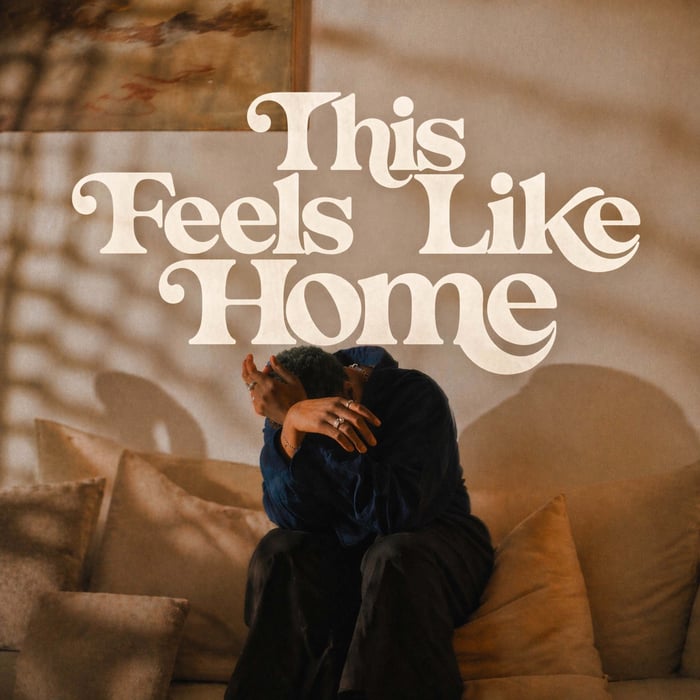
This Feels Like Home Album Review: Adria Kain’s “Home” That Won’t Behave


 See more Architeg Prints stories on Google.
Album Review: This Feels Like Home by Adria Kain
Adria Kain’s This Feels Like Home explores the tension between comfort and belonging, offering a raw and intimate look at what “home” really means.

A home story that refuses to be cute
Here’s the part people want to skip past: the living situation matters because the music is built out of it.
For about four years, Adria Kain lived with her grandparents—right through the stretch where everyone else her age was playing grown-up with leases, roommates, and the first apartment key like it’s a personality trait. And This Feels Like Home doesn’t romanticize that. It turns it into a pressure chamber: gratitude, dependence, love, and the quiet embarrassment of being “behind” all stacked in the same room.
I kept thinking the record would lean into nostalgia as a soft landing. It doesn’t. It uses “home” like a mirror you don’t like looking into.
“Right Where You Left Me” is memory as a moving car
The album’s first single, “Right Where You Left Me,” runs on motion—specifically driving down Sunset Boulevard—like she’s trying to outrun the version of herself that still lives in old walls.
She reaches back into the 90s, into a specific car, into being 12 years old and leaving her childhood house. And the real flex is that she doesn’t inflate any of it into melodrama. She’ll write about the mundane, the stuff that fills a room—the emotional clutter that doesn’t look poetic until someone says it plainly.
An arguable take: this song isn’t “cinematic,” it’s domestic. The details don’t widen the world; they shrink it until you’re stuck inside the memory with her, knees up, staring at the same corner of the ceiling.
Aaliyah isn’t a reference point—she’s a ghost in the vocal choices
The childhood house, in this telling, is where Kain learned to sing by mimicking Aaliyah. And when she sings now, that influence doesn’t show up as cosplay or obvious homage. It’s more like a presence—how she carries a line, how she refuses to over-explain the emotion.
One thing that hit me: she barely takes breaks between lyrics. The phrases keep coming, like she’s worried silence will invite doubt back into the room. That choice makes the songs feel controlled, even when they’re confessing something messy.
And the production mostly cooperates. She’s given this clean, quiet space—like a room with the door shut where nobody gets to interrupt her mid-thought. Writing becomes that room too. When she asks,
“What am I if I don’t come back to me?”
she’s basically pointing at the empty spot where insecurity usually sits…and deciding not to furnish it.
I’m not totally sure if that’s confidence or self-defense. Maybe both. The album doesn’t bother clarifying.
donSMITH shows up late—and changes the temperature
The midpoint shift inside “Right Where You Left Me” is one of the album’s smartest decisions, mostly because it messes with Kain’s control.
donSMITH comes in slower, his voice a step lower, dragging just behind the tempo like he’s leaning back in a chair while she’s pacing. He’s the lone guest artist here, and his timing matters: he plays off a line Kain’s already been building for the last couple tracks—
“You learn the ego is heavy, its absence is balancing.”
He flips it into a philosophy lesson without sounding like he’s giving a lecture. To him, self-reliance isn’t a vibe; it’s a practice. A pathway. And when he drops
“Permanent lessons I got from temporary chapters,”
it reframes everything you just heard. Not “I healed.” More like: I’m still learning, and I’m not done paying attention.
Then Kain comes back in and the song changes shape again—what sounded like a request starts hardening into a deadline. Stop waiting. Stop freezing yourself in place. The track doesn’t end like a hug; it ends like a push.
A reasonable listener could disagree, but I think this guest verse isn’t there to add variety—it’s there to contradict her, just slightly, so the song can breathe.
This album trims the sprawl—and that’s not all good news
The older work had time to stretch. Over the long six-year life of When Flowers Bloom (2016–2022), songs could expand organically—multiple vamps, lingering outros, sections that let a feeling run around until it got tired.
This Feels Like Home was made across about four years, and it behaves like it knows time is expensive. The opener barely clears three minutes. “Set Me Free” is basically a one-time prayer—short, direct, no ornate architecture.
On her debut album, that prayer gets to repeat for a full verse, and it’s weirdly telling: repetition is a kind of belief. On newer projects like DE{com}pressed, a lot of ideas land more like sketches than complete songs—more like taped notes than finished letters.
And yeah, I felt a little loss there. Not because every song needs to be long, but because the older looseness made room for surprise. Here, the tightness sometimes reads as caution.
My first impression was that the shorter structures meant she’d finally gone “pop” in the boring sense. On second listen, I changed my mind: it’s not pop polish—it’s restraint. Different thing. Still, restraint can be a hiding place.
“So Bad” is where the record finally sweats
If you want the slow-burn masterclass, “So Bad” is it.
It opens with a laidback breath, arpeggiated electric guitar chords, and then the drums drop in—not slamming, just settling. The production (from 4th Pyramid and Spencer Muscio) hovers at a relaxed tempo, almost floating outside the usual percussive grid. It feels like the beat is in the room, but it’s not demanding eye contact.
Then Kain moves downward—into a vocal pocket the rest of the record doesn’t explore much. She leaves this smoke-trail of sound, relaxed cadence, softer consonants sliding out like she’s speaking through warmth.
And then she goes there:
“Love the way it feels when you wrap my body in between your legs.”
Here’s what surprised me: the rest of the album has sexual desire in it, sure, but “So Bad” doesn’t treat it like a sparkle filter. It’s not flirtation; it’s body contact, plain and undeniable. The folk/coffeehouse-ish textures—those guitar shapes, that gentle air—make the explicitness feel even louder. Like someone whispering the most direct thing imaginable in the calmest voice.
An arguable statement: “So Bad” is the album’s most honest track because it doesn’t try to make desire sound noble. It just makes it sound real.
“Long Way from Home” is the moment the album pulls the rug
By the time “Long Way from Home” arrives, the album has been circling the idea of belonging for seven tracks. And it does this thing that I didn’t expect: it refuses the “homecoming” it’s been hinting at.
Kain centers herself at a piano built for her—by Gyimah Kogi Daenan and Josh Grant—for performing a track from the album. That detail matters because the piano isn’t just an instrument here; it’s furniture. It’s literally part of the “home” imagery. This is the room. This is the object that’s supposed to anchor the feeling.
Then she drops the line:
“Maybe I’m afraid that we’re alike, trying to make a way for peace of mind.”
It’s said with a straightforward equality—no poetic fog—like she’s placing two people on the same level and daring the listener to disagree.
And then she says the quiet part out loud:
“When you gave me your all / But I know this house isn’t really my home.”
That’s the thesis, and it’s brutal because it’s not just about a building. It’s about a relationship the album has been reflecting on—circling, revisiting, turning over in its hands—and admitting it was never hers to claim as “home” in the first place.
A mild criticism: I wish the record had more moments with this kind of clean, devastating clarity. When it hits, it hits. When it doesn’t, you can feel it reaching for phrases that could belong to anybody.
The album’s “valley” is real, and it’s not charming
Not every stretch here earns the emotion it wants. Around the middle, on “Can’t Forget You,” Kain leans on lines like
“broken memories I can’t erase”
—and that’s the kind of lyric that slides by because it could be sung by almost anyone about almost anything.
“Maybe…” spends its second verse leaning hard on the rhyme of “before” and “adore you,” and then settles into
“I got you, baby,”
which feels like a refrain arriving without a second idea attached to it.
“Kaleidoscope” has one image that actually sticks:
“Wrapped in my fingers like manila rope.”
That line has texture—tightness, grip, something a little dangerous. But the rest of the song feels surrounded by placeholder language, like scaffolding that never got removed.
And that’s the valley: you can hear the stronger EP hiding inside this album. The best songs (“Right Where You Left Me,” “So Bad,” “Long Way from Home”) carry specific weight, specific rooms, specific heat. The weaker moments drift into generalities, and generalities don’t feel like home—they feel like a waiting room.
Favorite tracks and what they reveal
Even with the uneven patch, the highlights make the album’s intent pretty obvious: Kain is chasing the difference between comfort and ownership.
Favorite Track(s):
- “Right Where You Left Me”
- “So Bad”
- “Long Way from Home”
An arguable take: those three tracks aren’t just “the best songs”—they’re the only ones that fully commit to the album’s main trick, which is promising home and then proving it doesn’t exist in the way you want.
Conclusion: the album isn’t warm—it’s familiar
This Feels Like Home keeps setting out pillows and then reminding you you’re a guest. It’s at its best when it gets painfully specific: a boulevard, a childhood exit, a voice that won’t pause, a verse that arrives half a beat late, a piano built like a piece of furniture you can’t stop staring at. When it slides into generic heartbreak language, the spell weakens. But when it locks in, it tells the truth in a way that feels almost impolite—which is usually how the real truth sounds.
Our verdict: People who like R&B that actually argues with itself—warm one second, withholding the next—will love this album’s best moments. If you need every track to land with the same lyrical specificity, you’ll get annoyed halfway through and start cleaning the kitchen instead.
FAQ
- What is the core theme of This Feels Like Home?
Home as a contested idea—something you can feel, crave, and still not be allowed to claim. - Which song best represents the album’s message?
“Long Way from Home,” because it directly denies the comforting “homecoming” the album title suggests. - Is “So Bad” just a sexy slow jam?
It’s sexier than that, honestly—because it sounds calm while saying something blunt and physical. - Does the album have a lot of guest features?
No. There’s a single guest appearance, and it’s used more like a narrative interruption than a flex. - Where does the album lose momentum?
In the middle tracks where the lyrics turn universal (“broken memories…”) and the songs feel less like rooms and more like drafts.
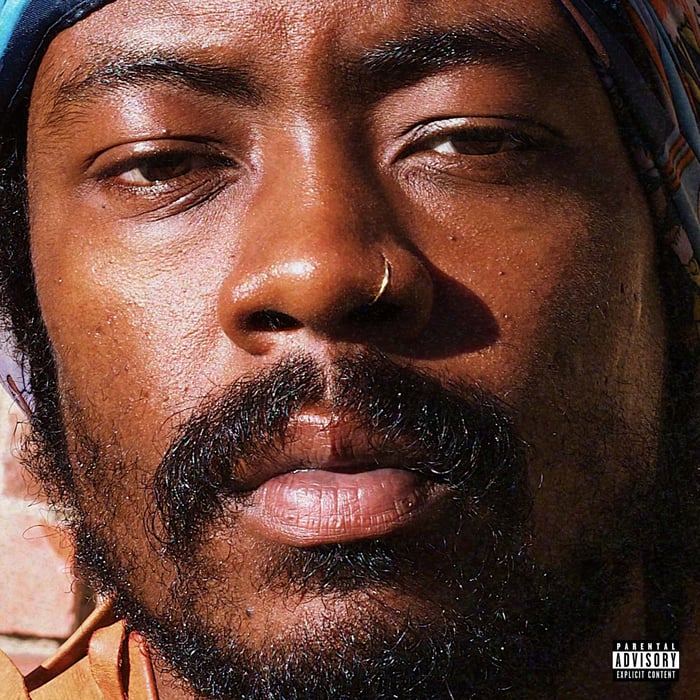
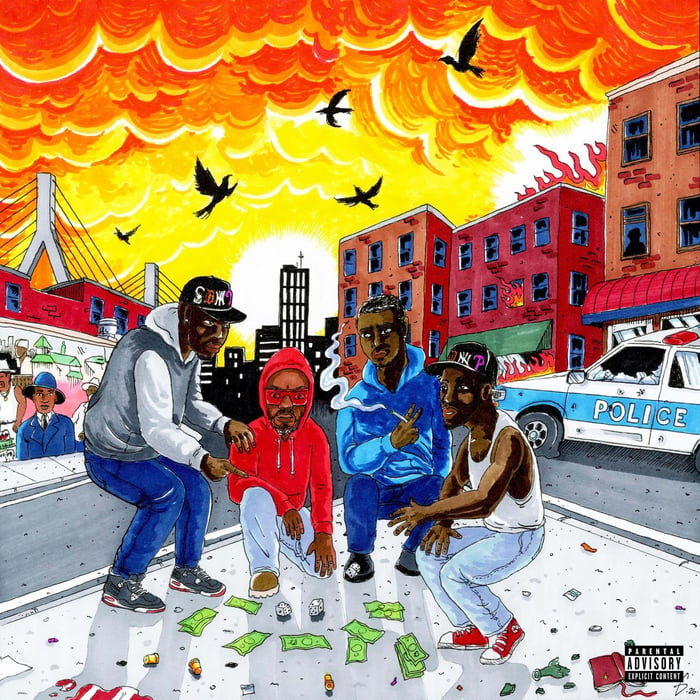
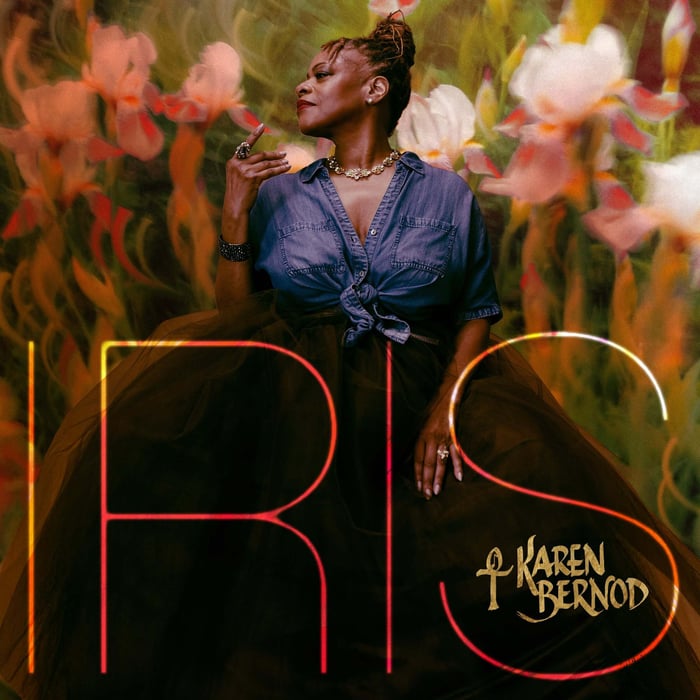
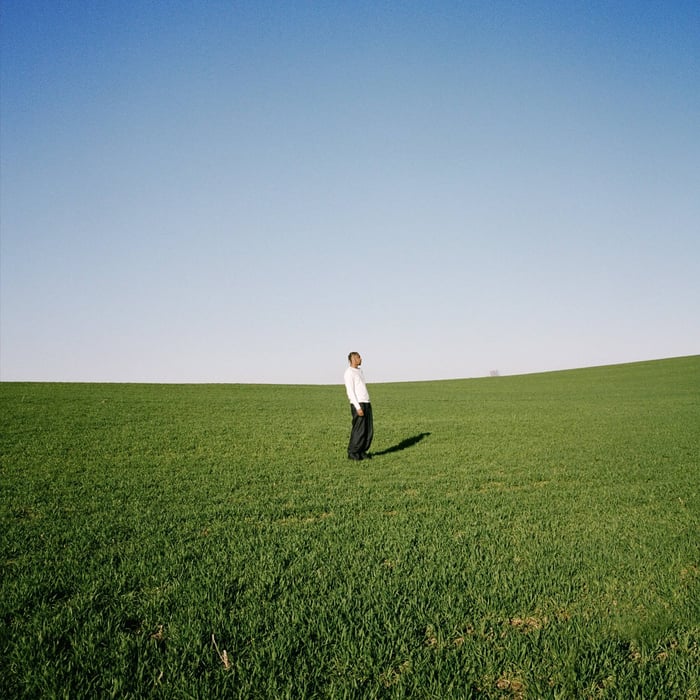
If this album’s push-and-pull stuck with you, it’s the kind of cover art that looks good on a wall—like a reminder that “home” is complicated. If you want, you can shop a favorite album cover poster at our store: https://www.architeg-prints.com
 | DISCOUNTGET 30% OFF*Use code on your next order:
|
* This post may contain affiliate links, meaning we earn a commission if you make a purchase through these links, at no additional cost to you.